A heart attack (myocardial infarction) often doesn’t happen completely out of the blue. In many cases, the body gives early warning signs of a heart attack weeks before it occurs. Recognizing these symptoms early can help you seek medical attention in time and potentially prevent life-threatening complications.
Here are 7 common warning signs before a heart attack that you should never ignore.

1. Unusual and Persistent Fatigue
If you constantly feel exhausted even without heavy physical activity, it could be a sign your heart isn’t pumping efficiently. Reduced blood flow limits oxygen delivery to your body, leading to prolonged, unexplained fatigue.
This symptom is especially common in women.
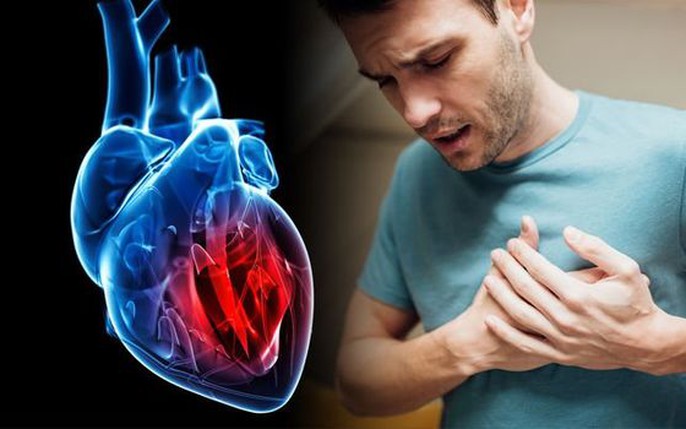
2. Shortness of Breath
Feeling breathless while walking, climbing stairs, or even at rest may be an early symptom of a heart attack. When the heart struggles to pump blood effectively, the lungs may not receive enough oxygen, causing difficulty breathing.
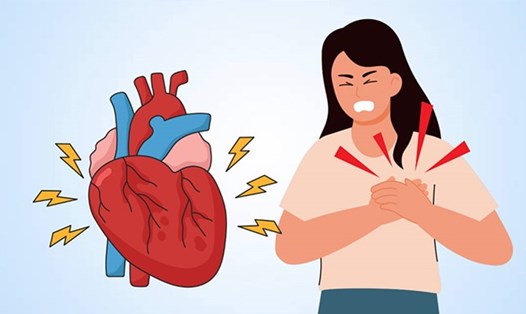
3. Mild but Recurring Chest Discomfort
This is the most classic sign, yet it’s often ignored if the discomfort comes and goes. The sensation may feel like:
If it happens repeatedly over several weeks, seek medical evaluation promptly.
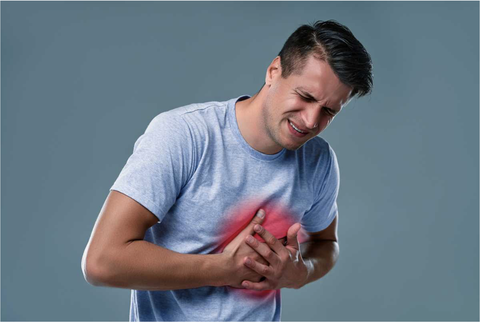
4. Pain Radiating to the Arm, Neck, Back, or Jaw
Not all heart attacks involve severe chest pain. Discomfort may spread to:
Many people mistake this for muscle strain or general body aches.
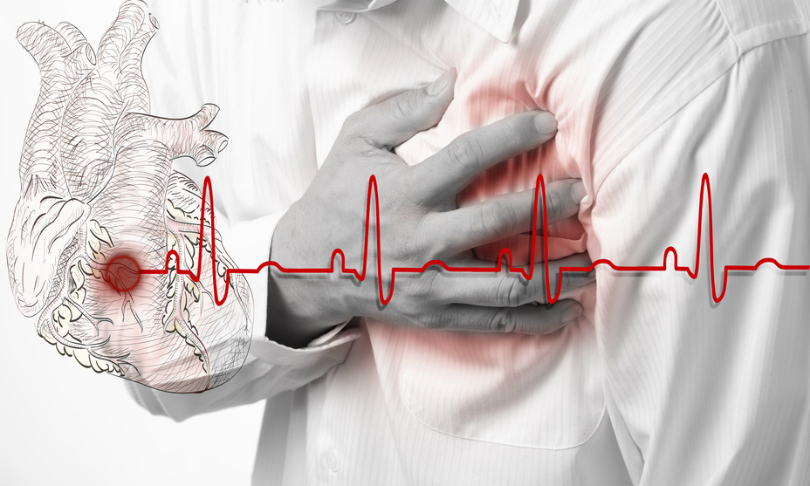
5. Sleep Disturbances
Difficulty falling asleep, waking up frequently at night, or experiencing anxiety with a rapid heartbeat can also be early heart attack warning signs. Some patients report sleep problems weeks before their cardiac event.
6. Nausea or Indigestion
Unexplained nausea, stomach discomfort, bloating, or indigestion may be linked to heart issues, particularly in women. Do not ignore these symptoms if they occur along with fatigue or shortness of breath.
7. Rapid or Irregular Heartbeat
Palpitations, a racing heart, or irregular heart rhythms may indicate that your heart is under stress. If these symptoms occur frequently, consult a healthcare professional for evaluation.
When Should You Seek Immediate Medical Attention?
Go to the emergency room immediately if you experience:
Early recognition of heart attack symptoms can save lives.
How to Reduce Your Risk of a Heart Attack
To protect your heart health:
Final Thoughts
Your body often sends warning signals before a serious cardiac event occurs. Recognizing these 7 early signs of a heart attack may help you take action in time.
Never ignore unusual changes in your body — they could be the most important warning signs you’ll ever receive.