The former prince was arrested on his 66th birthday, just months after King Charles III stripped him of his royal titles.
Andrew Mountbatten-Windsor was taken into custody on Thursday, February 19, when police raided his Sandringham residence. In the wake of the arrest, US President Donald Trump offered his first comments, drawing widespread attention.

Andrew Mountbatten-Windsor at St. Paul’s Church on June 27, 2017, in London, England | Source: Getty Images
Donald Trump’s Five-Word Reaction After Shocking Arrest
Donald responded to Andrew’s arrest, which stems from suspicion of misconduct in public office related to his connections with Jeffrey Epstein. Speaking briefly, he said, “I think it’s a shame,” before adding, “I think it’s very sad. I think it’s so bad for the Royal family.”
He continued, “And to see what’s going on with his brother, obviously, coming to our country very soon, and he’s a fantastic man… king. So I think it’s a sad thing.”
The arrest comes as British authorities investigate allegations that Andrew shared confidential information with Jeffrey while serving as a trade envoy for the U.K. The former prince has denied any wrongdoing in connection with Jeffrey.
Legal Experts Warn the Case Could Be Complex and Historic
After spending roughly 11 hours in custody at Aylsham Police Station in Norfolk, Andrew was released. Dr. Tom Frost, a senior lecturer in law at Loughborough University, explained that an arrest does not necessarily mean Andrew will face charges or appear in court.
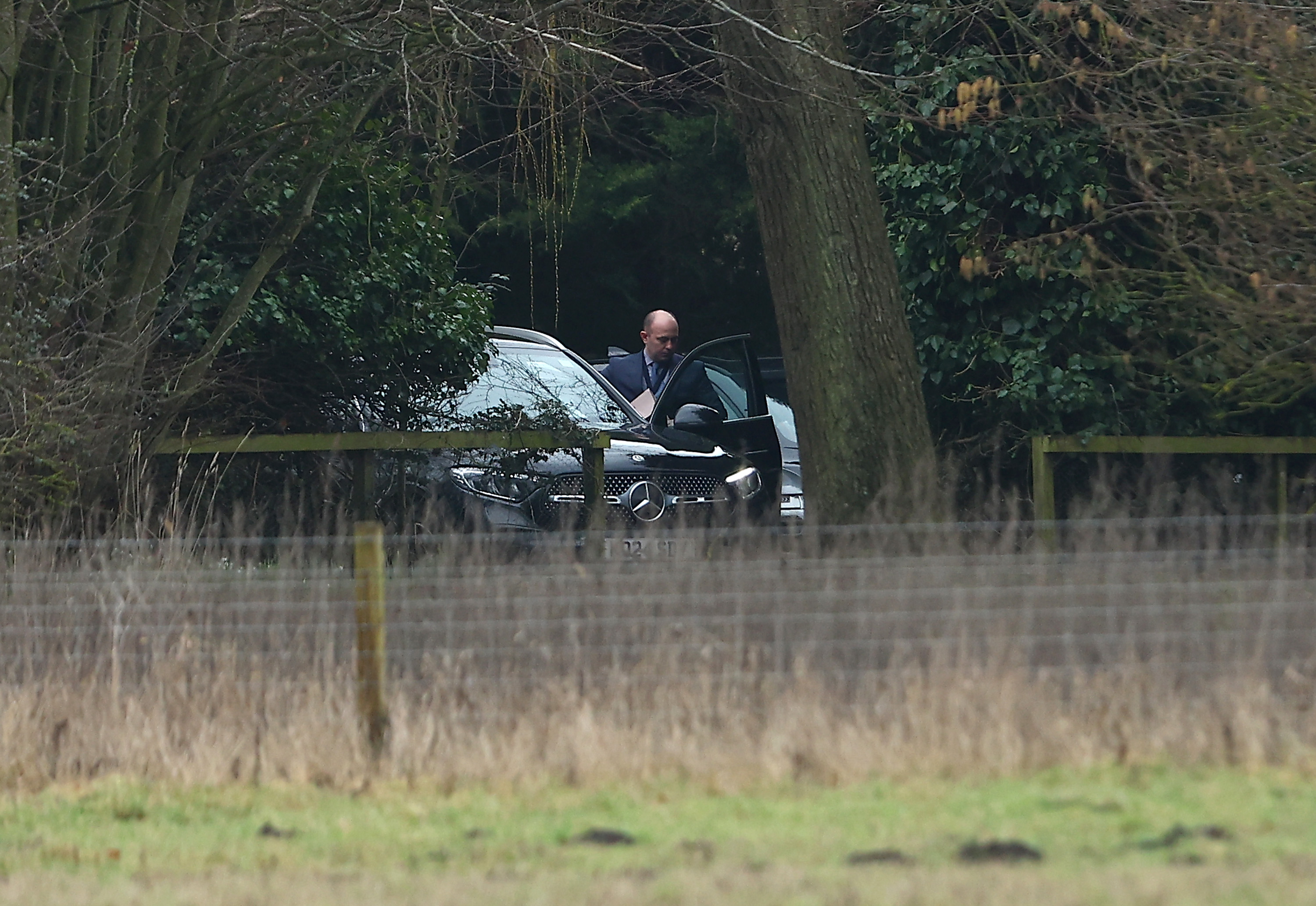
A man steps out of umarked car at the home of Andrew Mountbatten-Windsor on February 19, 2026 in Sandringham, Norfolk | Source: Getty Images
“Being placed under arrest allows the police force to question him under caution (which means he would be advised of his legal rights), and it also allows them to search his properties for evidence pertaining to the investigation,” Tom explained.
The former Duke of York was arrested on suspicion of misconduct in public office, a charge that would require an indictment. According to Tom, prosecutors would need to prove that he abused the public’s trust and that he either willfully neglected his duties or intentionally committed misconduct.
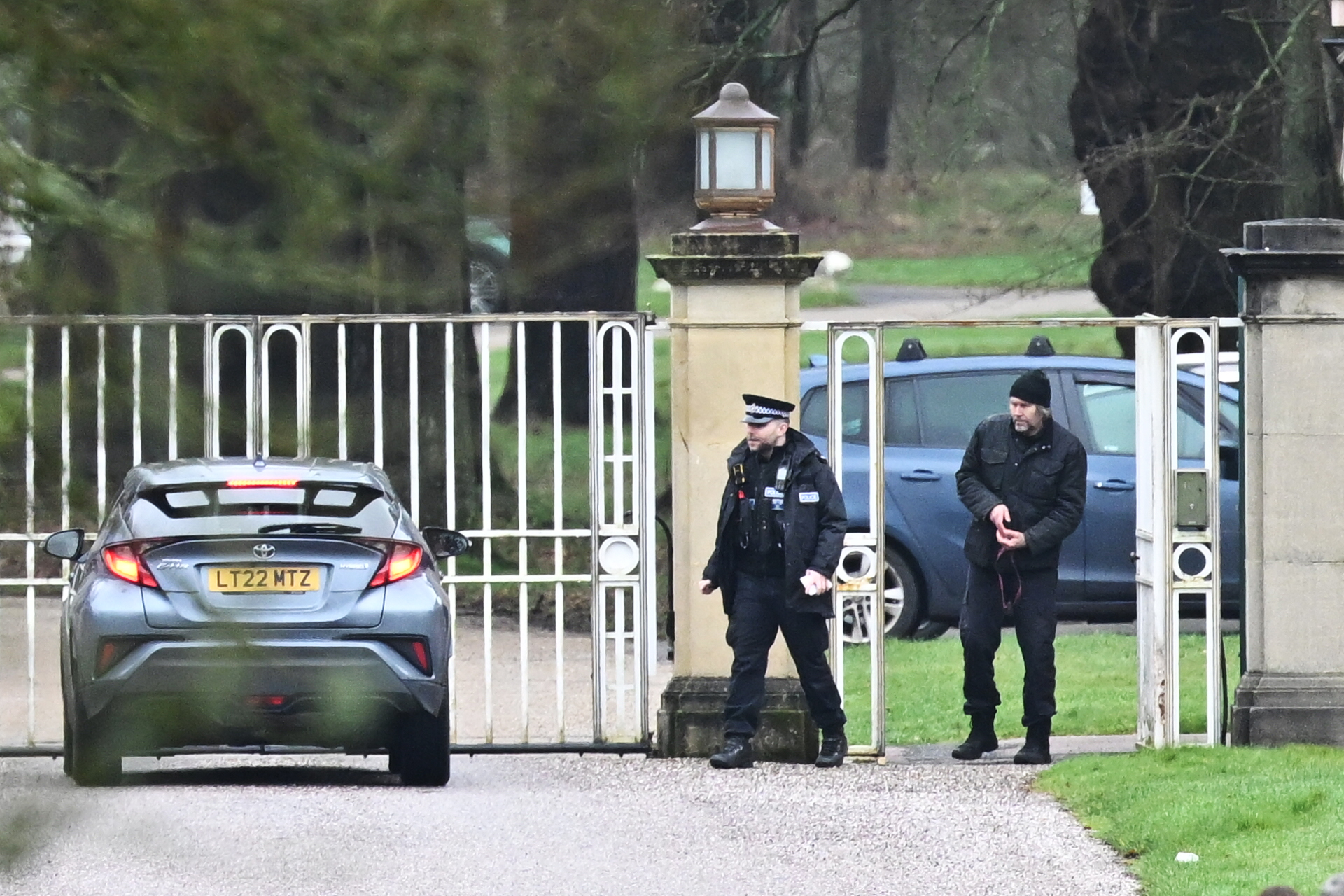
Police officers are stationed outside the gates of the Royal Lodge, Andrew Mountbatten-Windsor’s former residence on February 19, 2026 in Windsor, England | Source: Getty Images
Tom noted that an abuse of the public’s trust sets a high threshold and is not clearly defined. Misconduct by itself would not be sufficient; it would have to be serious enough for a jury to determine that it constituted an abuse of trust.
The senior lecturer said that given the complexities of the law, securing a conviction could prove challenging. However, if Andrew were charged and ultimately found guilty, he could face a sentence of up to life in prison, although Tom considers that outcome unlikely.
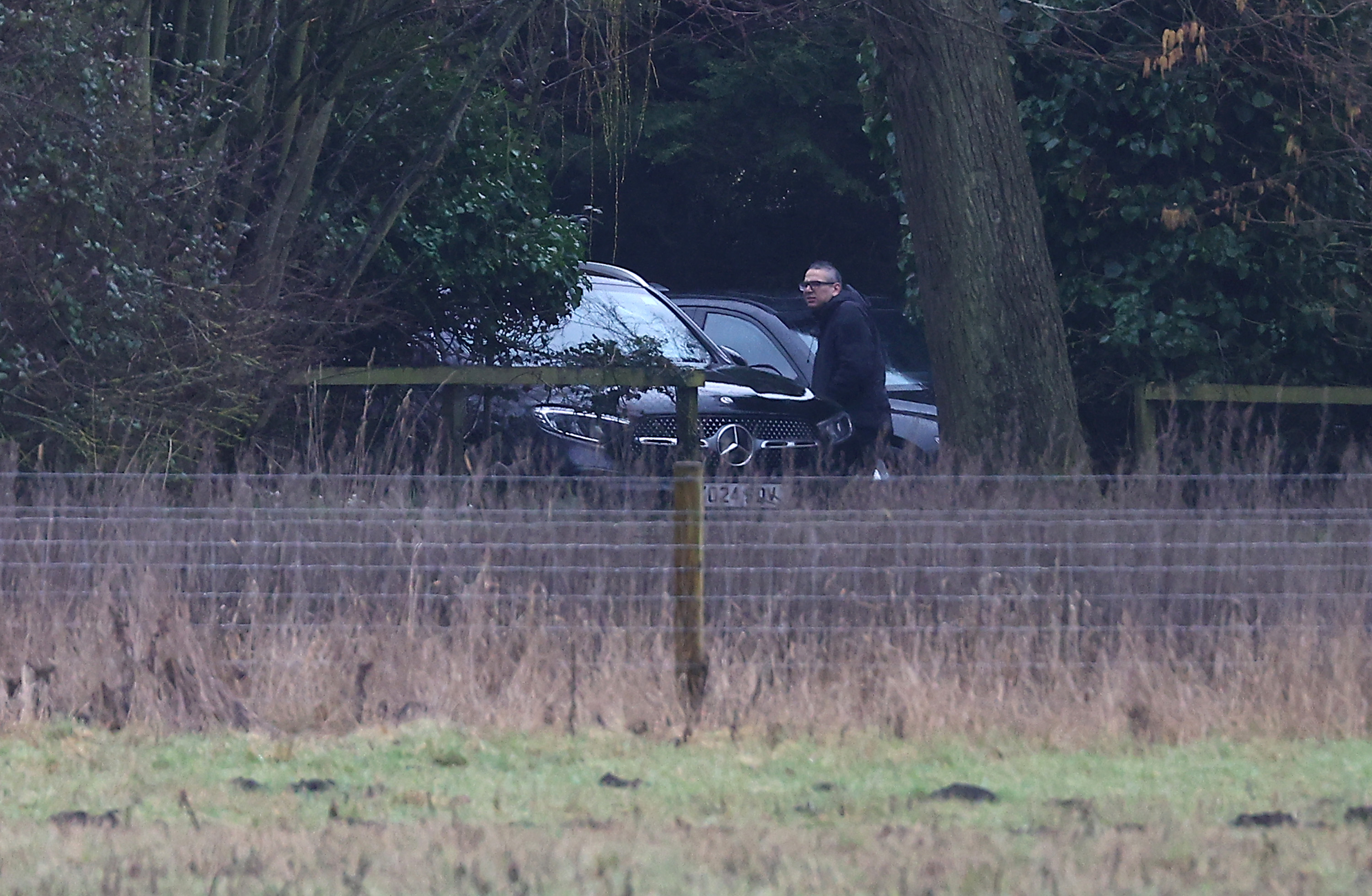
A man steps out of an unmarked car at the home of Andrew Mountbatten-Windsor on February 19, 2026 in Sandringham, Norfolk | Source: Getty Images
Tom also pointed out that most convictions for this charge have involved police officers or prison staff, with only around two percent involving senior political figures. He added that there is no direct precedent for prosecuting a Member of Parliament, making Andrew’s case particularly unusual.
Inside the Murky Legal Path Ahead
George Kampanella also explained that in England, suspects who have not been formally charged can be released either under investigation or on police bail.
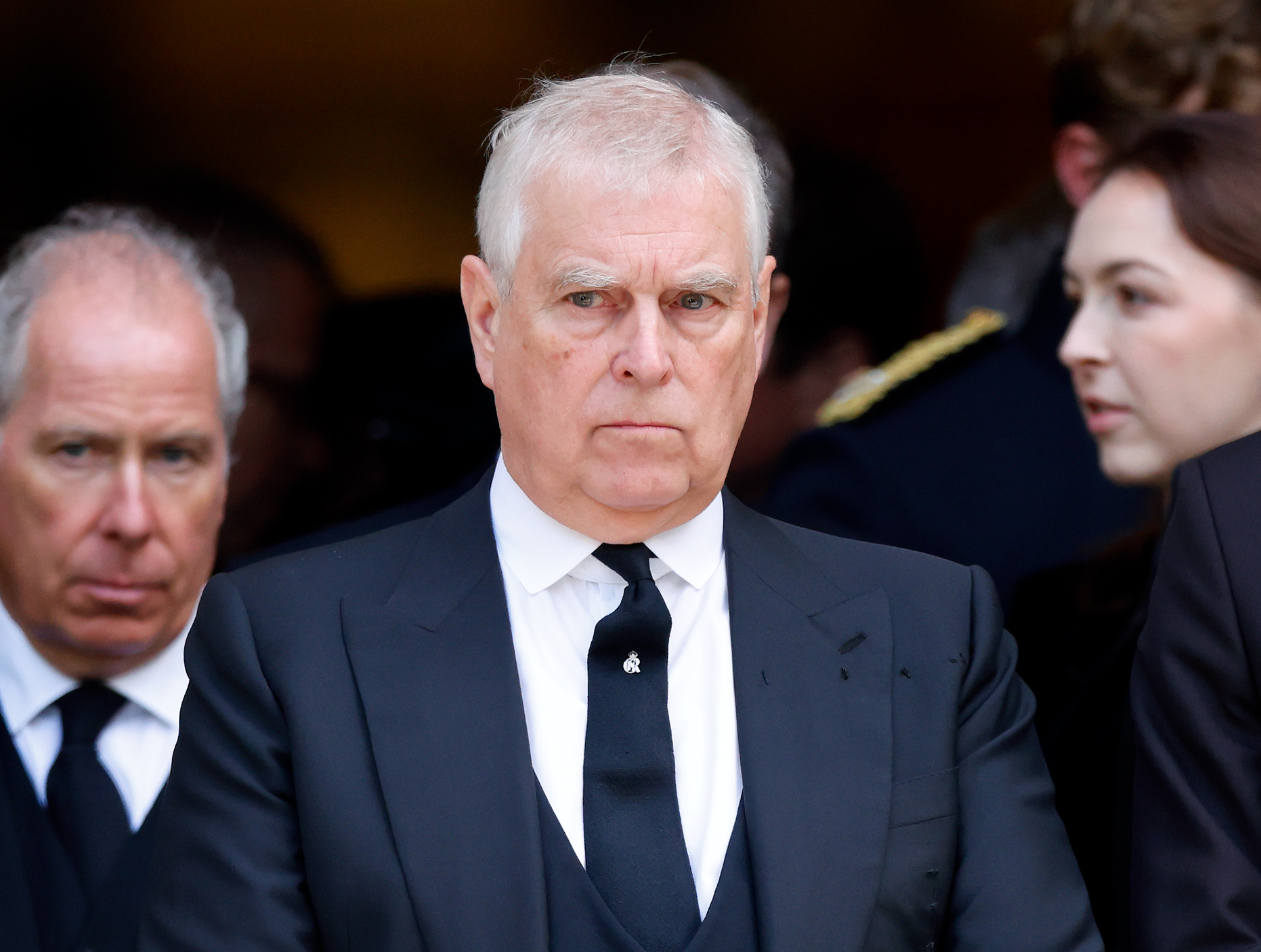
Andrew Mountbatten-Windsor attends Katharine, Duchess of Kent’s Requiem Mass service at Westminster Cathedral on September 16, 2025 in London, England | Source: Getty Images
The partner and head of Business Crime & Regulatory at the law firm Taylor Rose added that if Andrew were charged, he would typically appear before a magistrates’ court as soon as possible — often the next working day if still in custody.
If released on bail, however, that court appearance could be delayed for weeks or even months. For now, it is a matter of waiting to see what this first arrest will lead to.

Andrew Mountbatten-Windsor attends Sunday service at the Royal Chapel of All Saints, at Royal Lodge, in Windsor on April 11, 2021 | Source: Getty Images
Andrew Mountbatten-Windsor attends Katharine, Duchess of Kent’s Requiem Mass service at Westminster Cathedral on September 16, 2025 in London, England | Source: Getty Images
The partner and head of Business Crime & Regulatory at the law firm Taylor Rose added that if Andrew were charged, he would typically appear before a magistrates’ court as soon as possible — often the next working day if still in custody.
If released on bail, however, that court appearance could be delayed for weeks or even months. For now, it is a matter of waiting to see what this first arrest will lead to.
Andrew Mountbatten-Windsor attends Sunday service at the Royal Chapel of All Saints, at Royal Lodge, in Windsor on April 11, 2021 | Source: Getty Images
Shell-Shocked and Slouching: The Extraordinary Fall from Grace
After his release, Andrew was photographed in the backseat of a car, appearing visibly distressed as he left the police station. His black Range Rover had arrived at the Aylsham Police Investigation Centre near Charles’ Sandringham Estate in Norfolk just before 7 p.m. local time.
The vehicle was briefly delayed at a broken electronic gate and had to wait around 10 minutes before entering through an alternate gate. Five minutes later, the Range Rover, accompanied by a second vehicle, departed the station through a large garage door.
The car sped past reporters, with Andrew seen trying to lie down out of sight in the back seat. “He looked dazed, he looked shell-shocked, he was slouching down,” said Queen Elizabeth II’s former press secretary, Ailsa Anderson. The photos, she added, capture his “extraordinary fall from grace.”

Andrew Mountbatten-Windsor is seen returning after leaving police custody, following his arrest on February 19, 2026 in Sandringham, Norfolk | Source: Getty Images
Stripped of Titles, Erased from Royal Record
As previously reported, Andrew’s life has taken a dramatic turn, with the allegations continuing to shadow him. In October 2025, Charles formally removed Andrew from his remaining royal roles and distinctions.
He was stripped of his titles, styles, and honorary positions, meaning he is no longer recognized as a Prince or the Duke of York.

The front page of The Times newspaper with an image of Andrew Mountbatten-Windsor is seen on October 31, 2025, in Windsor, England | Source: Getty Images
He also lost the use of his HRH style, effectively leaving him with the status of a private citizen. Despite these changes, Andrew remains eighth in line to the throne.
Charles also ordered that two of Andrew’s senior honors be revoked. His appointment as a Knight Companion of the Most Noble Order of the Garter, awarded in April 2006, was cancelled and his name removed from the Order’s register.
He was stripped of his titles, styles, and honorary positions, meaning he is no longer recognized as a Prince or the Duke of York.
The front page of The Times newspaper with an image of Andrew Mountbatten-Windsor is seen on October 31, 2025, in Windsor, England | Source: Getty Images
He also lost the use of his HRH style, effectively leaving him with the status of a private citizen. Despite these changes, Andrew remains eighth in line to the throne.
Charles also ordered that two of Andrew’s senior honors be revoked. His appointment as a Knight Companion of the Most Noble Order of the Garter, awarded in April 2006, was cancelled and his name removed from the Order’s register.