The female body is an extraordinary biological system, and the reproductive area plays a central role in overall well-being, hormonal balance, and life transitions such as menstruation, childbirth, and menopause. This guide offers a clear, respectful, and science-based look at the internal reproductive passage, its structure, and how it naturally changes across life stages.
Note: This content is written for educational purposes and is based on guidelines from trusted medical institutions including the Cleveland Clinic, Mayo Clinic, and the American College of Obstetricians and Gynecologists (ACOG).
What Is the Internal Reproductive Passage?
Commonly referred to in everyday language as the birth canal, this internal structure connects the outer reproductive area (also known as the vulva) with the lower uterus (cervix). It serves several key biological functions:
Acts as a natural exit for menstrual flow.
Supports reproductive health during conception and pregnancy.
Serves as the delivery pathway during childbirth.
Provides a route for certain types of prescribed medication (e.g., hormone creams or suppositories).
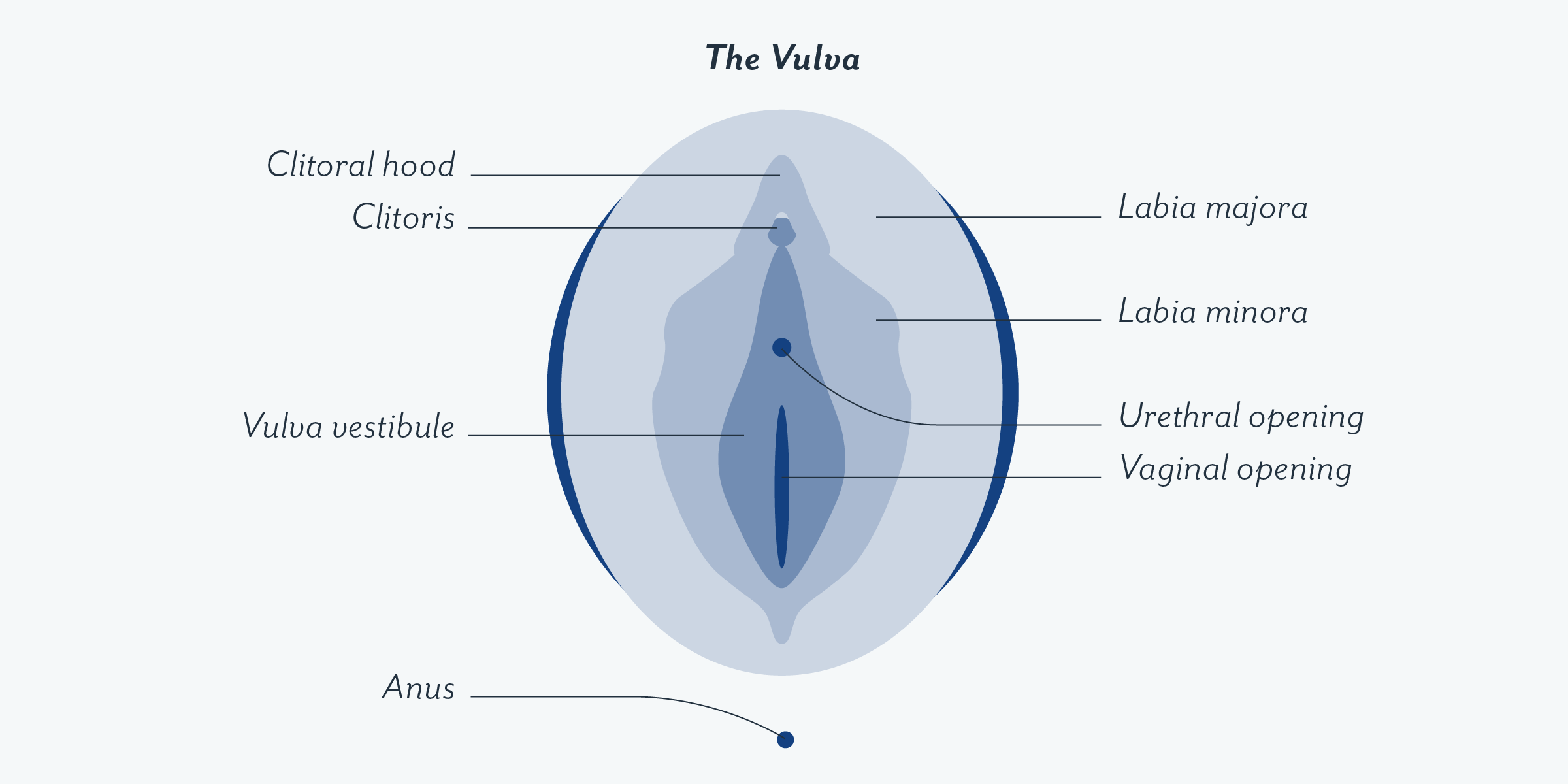
Many people mistakenly use the term for the entire external area, but medically, the correct term for the external region is vulva, which includes structures like the outer and inner folds of skin, the protective hood over the clitoral area, and the opening that leads internally.
Source: Cleveland Clinic
Structure and Natural Flexibility
The internal reproductive canal is not just a simple tunnel—it’s a remarkable structure made of flexible, layered tissue:
Moist mucosal lining: Keeps the area naturally hydrated and balanced.
Natural folds (rugae): Allow the passageway to gently expand when needed, such as during childbirth.
Elastic muscle layers: Support natural movement and shape retention.
In its resting state, the walls gently touch each other, and the passage resembles a folded or compressed shape, which helps with flexibility and internal balance.
Source: Mayo Clinic

How It Changes Across Life Stages
The internal reproductive system evolves throughout life due to hormonal shifts, especially involving estrogen. These stages include:
Childhood to Adolescence
Before puberty, the inner lining is thinner. As estrogen levels rise during puberty, it thickens, and natural changes like the appearance of physiological moisture begin to occur.
Reproductive Years
During this stage, the canal typically measures 7–12 cm in length and has maximum flexibility. Natural hydration increases around the middle of the menstrual cycle when fertility is at its peak.
Source: ACOG
Pregnancy and Recovery After Birth
Pregnancy brings increased blood flow and elasticity. After childbirth, the passageway gradually returns to its pre-pregnancy state within weeks. Some changes may remain, including slight differences in tone or shape.
Source: Johns Hopkins Medicine
Menopause and Beyond
When estrogen levels decrease, the inner lining may become drier and less flexible. This condition, known medically as tissue thinning due to hormonal decline, can lead to some discomfort. Treatments like gentle topical therapy, moisturizers, or medical creams may be recommended by professionals.
Source: North American Menopause Society
Monthly Cycle and Hormonal Influence
Throughout each month, changes occur that affect internal moisture levels and tissue thickness:
Before fertility peaks: Hydration and softness increase naturally.
After ovulation: Hormonal shifts cause reduced moisture.
Cervical adjustment: The opening at the top of the canal slightly shifts position and texture based on fertility signals.
Source: National Library of Medicine
Absorption Capabilities for Health Applications
The inner lining is uniquely capable of absorbing specific medical substances, which is why healthcare providers may recommend:
Hormonal rings
Antifungal treatments
Therapeutic creams or gels
This natural absorption route allows medications to work effectively while minimizing the need for oral dosing.
Source: U.S. Food and Drug Administration (FDA)
Tips for Maintaining Health and Comfort
To care for this part of the body, consider these tips:
Avoid internal washing or douching, which can disrupt healthy bacterial balance.
Use gentle, water-based moisturizers if dryness occurs.
Choose breathable, cotton-based undergarments.
Minimize prolonged use of tight clothing.
Stay up to date with health screenings, especially if sexually active.
Seek medical advice if experiencing irritation, odor, or unusual discharge.
Source: CDC – Reproductive Health
Conclusion
The internal reproductive canal is a vital part of the female body—flexible, resilient, and essential for several life processes. Understanding its structure and how it evolves over time can help promote comfort, confidence, and informed healthcare decisions.
As with any part of the body, if there are changes or concerns, it’s best to consult a qualified medical provider for guidance and support.