Recently released court documents have renewed public attention on the past relationship between Jeffrey Epstein and Prince Andrew, formerly the Duke of York. The material, which originates from legally disclosed records connected to U.S. litigation involving Epstein’s associates, includes email correspondence from 2009 to 2011. These records provide additional context about the nature and timing of communications between Epstein and individuals within his social network.
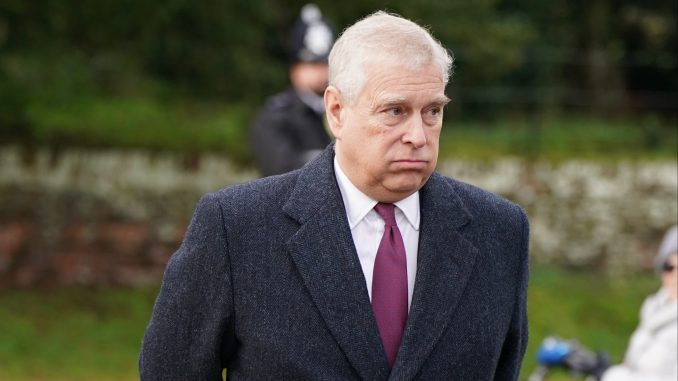
Jeffrey Epstein, a financier who maintained relationships with influential figures across politics, business, and royalty, died in 2019 while in federal custody in New York. His death occurred while he was awaiting trial on sex trafficking charges. Since then, court-ordered document releases have continued to shed light on his contacts and activities, drawing global interest.
Emails Referencing a Proposed Introduction
Among the documents released are emails indicating that Epstein proposed an introduction between Prince Andrew and a woman identified only by the first name “Irina.” The correspondence dates to August 2010, approximately two years after Epstein had pleaded guilty in Florida to charges related to soliciting a minor.
According to the records, Epstein described the woman as a Russian national in her mid-twenties and suggested a social meeting during a planned visit to London. Prince Andrew responded by expressing interest in meeting her and requested additional background information. The emails show that contact details were exchanged and that further communication occurred shortly thereafter.
The released materials do not establish whether the meeting ever took place, nor do they provide evidence of any improper conduct involving the woman mentioned. The documents only confirm that a proposed introduction was discussed via email.

Context of Epstein’s Conviction and Social Network
By the time of this correspondence, Epstein was a registered sex offender as a result of his 2008 plea deal in Florida. Despite this, he continued to maintain contact with numerous prominent individuals. Investigations and journalistic reporting over the years have documented how Epstein remained socially active, particularly within elite international circles, even after his conviction.
The emails involving Prince Andrew are part of a broader collection of records released through the U.S. legal system. These disclosures are not findings of guilt or wrongdoing but rather materials deemed relevant to civil litigation and made public under court आदेश.
The Name “Irina” in Other Released Records
The name “Irina” also appears in separate email exchanges involving Epstein and Jes Staley, the former chief executive of Barclays. These communications, released in prior court filings, reference logistical arrangements during Epstein’s time in London. One email indicates that Epstein informed a woman named Irina about Staley’s hotel location.
The documents do not clarify whether the woman referenced in the correspondence with Staley is the same individual mentioned in emails involving Prince Andrew. No identifying details beyond a first name are provided, and no conclusions can be drawn from the available records.
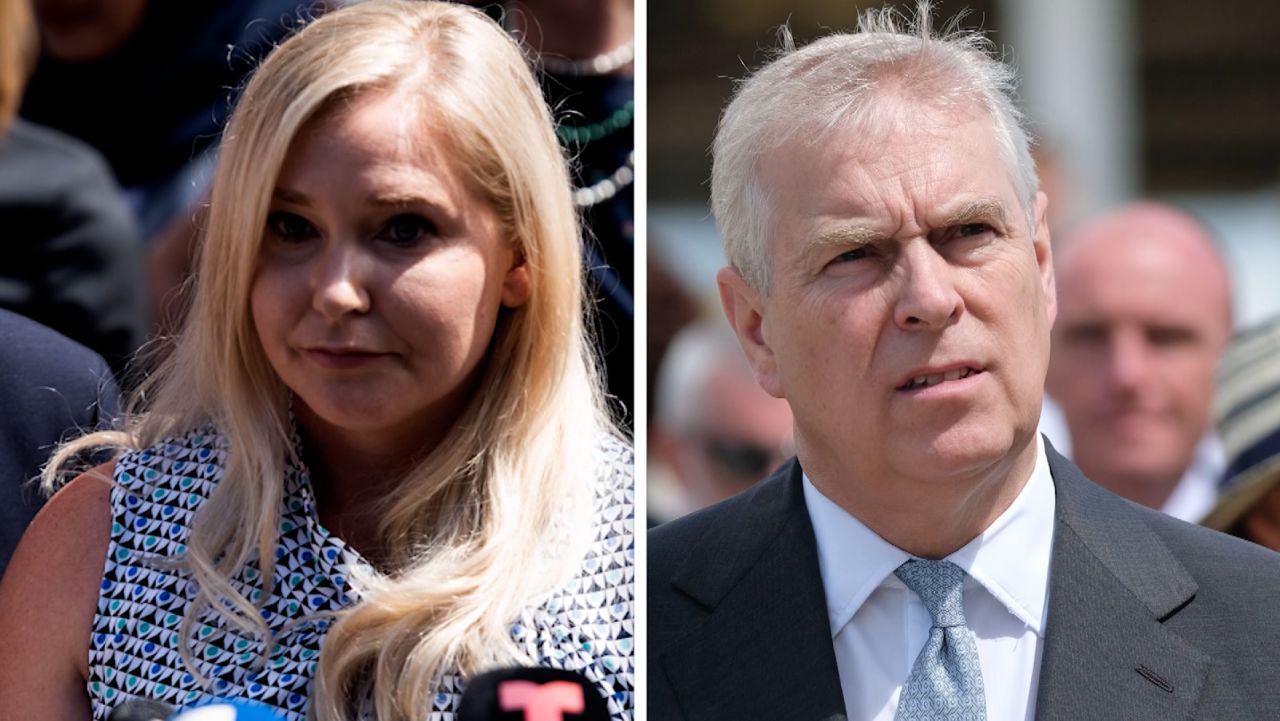
Prince Andrew’s Previous Statements on Epstein
Prince Andrew has consistently stated that he severed ties with Epstein years before Epstein’s death. In past public statements, Andrew asserted that he ended his association with Epstein in 2006 and only had limited contact later for the purpose of formally concluding the relationship.
However, the released emails suggest that communication between the two continued beyond that timeframe. The records indicate email exchanges as late as 2011, including discussions unrelated to the proposed introduction. Additionally, publicly available photographs show Prince Andrew and Epstein together in New York in December 2010.
These materials have contributed to ongoing scrutiny regarding the timeline of their association. Buckingham Palace has previously acknowledged that Prince Andrew met Epstein in 2010 but has maintained that the relationship was terminated shortly afterward.

Legal and Public Accountability
It is important to note that the release of these emails does not constitute new criminal charges against Prince Andrew. He has repeatedly denied all allegations of sexual misconduct and has not been convicted of any criminal offense related to Epstein.
In 2022, Prince Andrew reached a civil settlement with Virginia Giuffre, who alleged she was trafficked by Epstein and forced to have contact with Andrew when she was a minor. The settlement included no admission of liability. Following the settlement, Andrew lost his military titles and royal patronages and stepped back permanently from public royal duties.
Why These Documents Matter
The continued release of Epstein-related records reflects broader efforts by courts and journalists to ensure transparency around one of the most significant abuse scandals of the modern era. The public interest in these materials stems not only from Epstein’s crimes but also from concerns about how individuals in positions of power interacted with him after his conviction.
For institutions such as the British monarchy, the reputational impact has been substantial. Prince Andrew’s association with Epstein has had long-lasting consequences, affecting public trust and prompting discussions about accountability, privilege, and oversight.

Distinguishing Verified Information From Speculation
Reputable media outlets and legal experts emphasize the importance of separating verified facts from conjecture. The emails confirm communication and proposed introductions but do not establish misconduct or intent. Courts have not made findings beyond the factual authenticity of the documents themselves.
As with all document releases connected to Epstein, responsible reporting requires caution, reliance on official records, and avoidance of assumptions not supported by evidence.
Ongoing Developments
Further document releases may continue as legal proceedings related to Epstein’s associates progress. Each release is evaluated by courts before becoming public, ensuring that materials meet legal standards for disclosure.
Prince Andrew remains largely out of public view, and there is no indication that he will return to official royal duties. Meanwhile, Epstein’s legacy continues to prompt legal, social, and institutional reflection across multiple countries.

Conclusion
The newly released emails add detail to the historical record of Jeffrey Epstein’s post-conviction social interactions and confirm continued communication with Prince Andrew beyond previously stated timelines. While the documents raise questions, they do not, on their own, establish wrongdoing.
As public interest persists, the focus remains on verified information from court filings and official sources. Maintaining accuracy and restraint is essential to understanding the broader implications of one of the most closely examined scandals involving power, influence, and accountability in recent history.