Public interest in the future of Prince Andrew’s royal position has remained high in recent years, especially as the British royal family continues to modernize its approach to accountability, public service, and organizational transparency. While various reports and commentary often circulate online, only certain developments have been officially confirmed by Buckingham Palace. This article provides an updated, fact-checked overview of what is publicly known, what remains part of broader public speculation, and why Prince Andrew’s future role continues to be the subject of public discussion.
Prince Andrew’s Status Following His Step Back From Official Duties
The most significant confirmed development in Prince Andrew’s royal role occurred in January 2022, when Buckingham Palace announced that he would no longer hold patronages or use his “His Royal Highness” styling in an official capacity. The Palace further stated that he would defend his civil case as a private citizen. This followed his earlier decision in 2019 to step back from public duties.
These events are well-documented through official palace announcements and major reputable news outlets. Since then, Prince Andrew has remained outside public-facing royal work, and his future role continues to be evaluated through the lens of the monarchy’s need to maintain public trust.

Discussions About Titles and Future Responsibilities
Over the past few years, public debate has continued regarding whether Prince Andrew should retain his remaining titles—notably the Duke of York. However, as of this writing, Buckingham Palace has not issued any public statement confirming new actions related to the removal of additional titles or honors.
While commentators and analysts frequently provide opinions on the direction the monarchy might take, such views do not constitute official information. Statements from royal correspondents often reflect their interpretations of ongoing reputational considerations rather than confirmed decisions from the royal household.

Royal Residences and Housing Arrangements
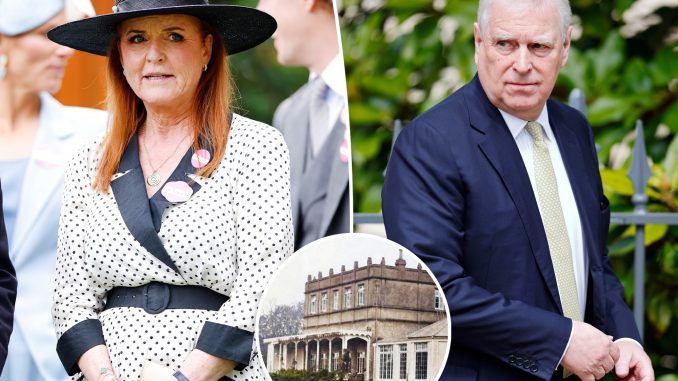
Reports about Prince Andrew’s living arrangements, including his longtime residence at Royal Lodge in Windsor, have generated considerable interest. Royal Lodge is a property he has lived in for decades under a lease agreement established with the Crown Estate.
Publicly available information indicates that any discussions about future accommodation or estate management fall under the internal processes of the royal household and the Crown Estate. However, no official announcement has been made by Buckingham Palace regarding a relocation or a change to his current lease.
Given the private nature of property agreements and the fact that such decisions typically occur behind closed doors, claims about imminent moves or mandated evictions should be interpreted cautiously unless they are explicitly confirmed by authoritative sources.
Royal Family Decision-Making and Public Commentary
Royal analysts often provide insight into how senior members of the royal family may be navigating the complexities of modern public expectations. For instance, commentators have noted how King Charles has prioritized streamlining the monarchy, focusing on core working members and defining clearer boundaries around official service.
These analyses draw from historical precedent and the King’s stated goals but do not represent official statements of intent toward any specific individual. Likewise, opinions from commentators, such as former royal correspondents, offer valuable context but are not themselves substantiated evidence of policy changes.
Prince Andrew’s Statements and Legal Background
What is verifiably documented is Prince Andrew’s involvement in a civil case filed in the United States in 2021. The lawsuit was settled in early 2022, and multiple major news organizations reported that the settlement did not include any admission of liability. Prince Andrew has consistently denied wrongdoing in all public statements.
His interviews and written comments have emphasized his intention to step back from public life and his ongoing efforts to live privately. These statements, being directly attributable to him and widely reported, provide reliable context for understanding his current position.
Public Discussions About Accountability and Transparency
The broader conversation around Prince Andrew reflects a shift in public expectations regarding the accountability of public figures, particularly those in positions of symbolic national significance. Analysts have noted that the modern monarchy faces increasing scrutiny and must balance tradition with evolving societal values.
In this environment, questions about the handling of royal titles, honors, and public responsibilities naturally arise, and they continue to receive media attention due to the Duke of York’s prominent public profile.
The Future of the Duke of York’s Role
At present, no new official decisions have been publicly announced regarding Prince Andrew’s titles or additional changes to his status. Any future developments would be expected to come through formal channels such as Buckingham Palace press releases, official statements, or verified reporting by reputable media organizations.
Until such confirmations occur, ongoing discussions remain part of broader public debate rather than documented fact.
Conclusion: A Story Still Developing, Grounded in Verified Information
Prince Andrew’s position within the British royal family remains a topic of active public interest, shaped by past events, legal proceedings, and the monarchy’s evolving approach to public responsibility. While commentary and opinion continue to influence media coverage, only a limited number of developments have been formally confirmed.
For readers seeking reliable information, the most accurate picture is one based on:
• Verified statements from Buckingham Palace
• Public records and widely reported legal outcomes
• Direct comments from those involved
As the monarchy continues its transition under King Charles’s leadership, decisions regarding the Duke of York—if they occur—will likely be communicated responsibly and transparently through official channels.