During recent official engagements in Scotland, many royal observers noticed a detail that initially caused confusion. Prince William and Princess Catherine were not introduced as the Prince and Princess of Wales, the titles by which they are most widely known. Instead, official programs, announcements, and local references identified them as the Duke and Duchess of Rothesay.
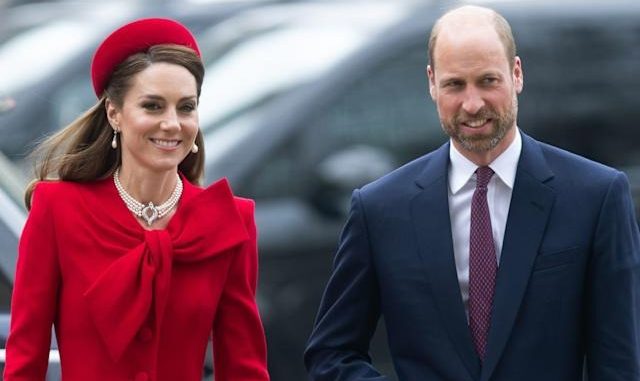
While this change may seem unusual to those unfamiliar with royal protocol, it is in fact a long-established tradition rooted in centuries of British and Scottish history. The use of different titles depending on location reflects the constitutional structure of the United Kingdom and the enduring recognition of Scotland’s distinct royal heritage.
A Longstanding Scottish Royal Tradition
In Scotland, the heir to the British throne traditionally uses a separate set of titles from those used elsewhere in the United Kingdom. When Prince William is north of the English border, his primary title becomes Duke of Rothesay, while Princess Catherine is styled as the Duchess of Rothesay.
This practice dates back to a time when Scotland was an independent kingdom with its own monarchy, legal system, and traditions. The title Duke of Rothesay was first created in 1396 by King Robert III of Scotland for his eldest son, David Stewart. Since that time, it has been reserved exclusively for the heir apparent to the Scottish throne.
Following the Union of the Crowns in 1603 and the later Acts of Union in 1707, Scotland and England became part of a single kingdom. However, many historic titles and customs were preserved. The continued use of the Duke of Rothesay title in Scotland is one such example, serving as a symbolic acknowledgment of Scotland’s separate royal lineage within the United Kingdom.

How the Title Is Used Today
Today, the title Duke of Rothesay is automatically held by the monarch’s eldest son when that son is also the heir apparent. Because Prince William is the eldest son of King Charles III, he holds this title by right when in Scotland.
Outside Scotland, Prince William is primarily known as the Prince of Wales, a title traditionally granted to the heir apparent in England and Wales. The difference in titles is not a change in rank or status but rather a reflection of location and historical convention.
This system ensures that royal engagements in Scotland respect the nation’s unique constitutional and cultural identity. Official schedules, ceremonial events, and local introductions follow this protocol consistently, particularly during state visits and formal engagements.
Conditions of Inheritance
The Duke of Rothesay title follows specific inheritance rules. It is traditionally held only by the first male heir to the throne. As a result, the title cannot be passed to a daughter under current convention.
When Prince William eventually becomes king, the title of Duke of Rothesay will pass to his eldest son, Prince George, provided he remains the heir apparent. This mirrors the historical pattern that has been followed for more than six centuries.
In addition to Duke of Rothesay, the Scottish heir also holds several other traditional Scottish titles, including Earl of Carrick, Baron of Renfrew, Lord of the Isles, and Prince and Great Steward of Scotland. These titles are largely ceremonial today but remain significant within royal tradition.

Other Titles Held by Prince William and Princess Catherine
The Duke and Duchess of Rothesay are among several titles held by Prince William and Princess Catherine. Following the accession of King Charles III in 2022, Prince William automatically became the Duke of Cornwall, a title associated with the Duchy of Cornwall, which provides income to the heir apparent.
In England, they are also known as the Earl and Countess of Chester, another historic title traditionally linked to the heir to the throne. Each title reflects different regions of the United Kingdom and highlights the layered nature of royal identity.
These titles are used selectively depending on geography, tradition, and the nature of official duties. While the Prince and Princess of Wales title is the most widely recognized internationally, the use of regional titles reinforces the monarchy’s constitutional relationship with different parts of the country.
Royal Warrants and Modern Responsibilities
In addition to their ceremonial roles, Prince William and Princess Catherine have taken on increasing responsibilities within the modern monarchy. In 2024, King Charles III granted them the authority to act as Grantors of Royal Warrants.
Royal Warrants are official endorsements awarded to companies and individuals who regularly supply goods or services to the royal household. The ability to grant warrants has traditionally been limited to senior working members of the royal family, including the monarch and consort.
This development reflects the Prince and Princess of Wales’ growing role within the institution and their preparation for future leadership. It also signals continuity in a centuries-old system that blends tradition with contemporary governance.

Why These Traditions Still Matter
Although the monarchy has evolved significantly in modern Britain, ceremonial titles remain an important part of its constitutional role. They serve as symbolic links between past and present, reinforcing national identity and historical continuity.
In Scotland, the use of the Duke and Duchess of Rothesay titles is particularly meaningful. It acknowledges Scotland’s unique legal and cultural traditions while maintaining unity within the United Kingdom. For many observers, these distinctions demonstrate how the monarchy adapts to regional identities without abandoning long-standing customs.
Looking Ahead
As Prince William and Princess Catherine continue to take on more prominent roles, their use of different titles across the UK will remain a visible reminder of the monarchy’s complex structure. Over time, these titles will change once again.
When Prince William becomes king, Princess Catherine will become queen consort, and many of their current titles will pass to the next generation. Until then, their varied styles reflect a system shaped by history, law, and tradition.
Far from being a mistake or a modern invention, the use of the Duke and Duchess of Rothesay titles in Scotland is a carefully preserved practice that dates back more than 600 years. It highlights the depth of royal tradition and the ongoing effort to honor the distinct identities that make up the United Kingdom.