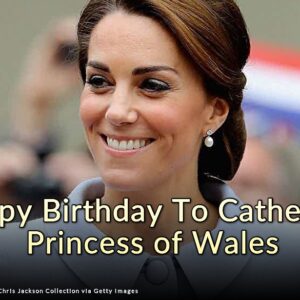
The Princess of Wales has been granted a brand new set of royal powers after father-in-law, King Charles III, broke some major royal protocol.
It’s hardly a surprise that the 76-year-old monarch has already commenced preparations to hand the throne over to his son, Prince William, and his daughter-in-law, Kate Middleton, given that he’s the oldest ever King to ascend to the position.
These were likely kicked into fuller force when Charles last year confirmed he’d been diagnosed with cancer.
Already, the monarch has handed his heir increased duties and visibility, with 43-year-old William and Kate often stepping up for state occasions, representing the King at major international events, and taking on more senior royal duties.
Some of this has centred on the Prince’s role as Duke of Cornwall, for which he is currently implementing significant reforms on his estate, prioritising community well-being and social impact, setting a precedent for future royal governance.
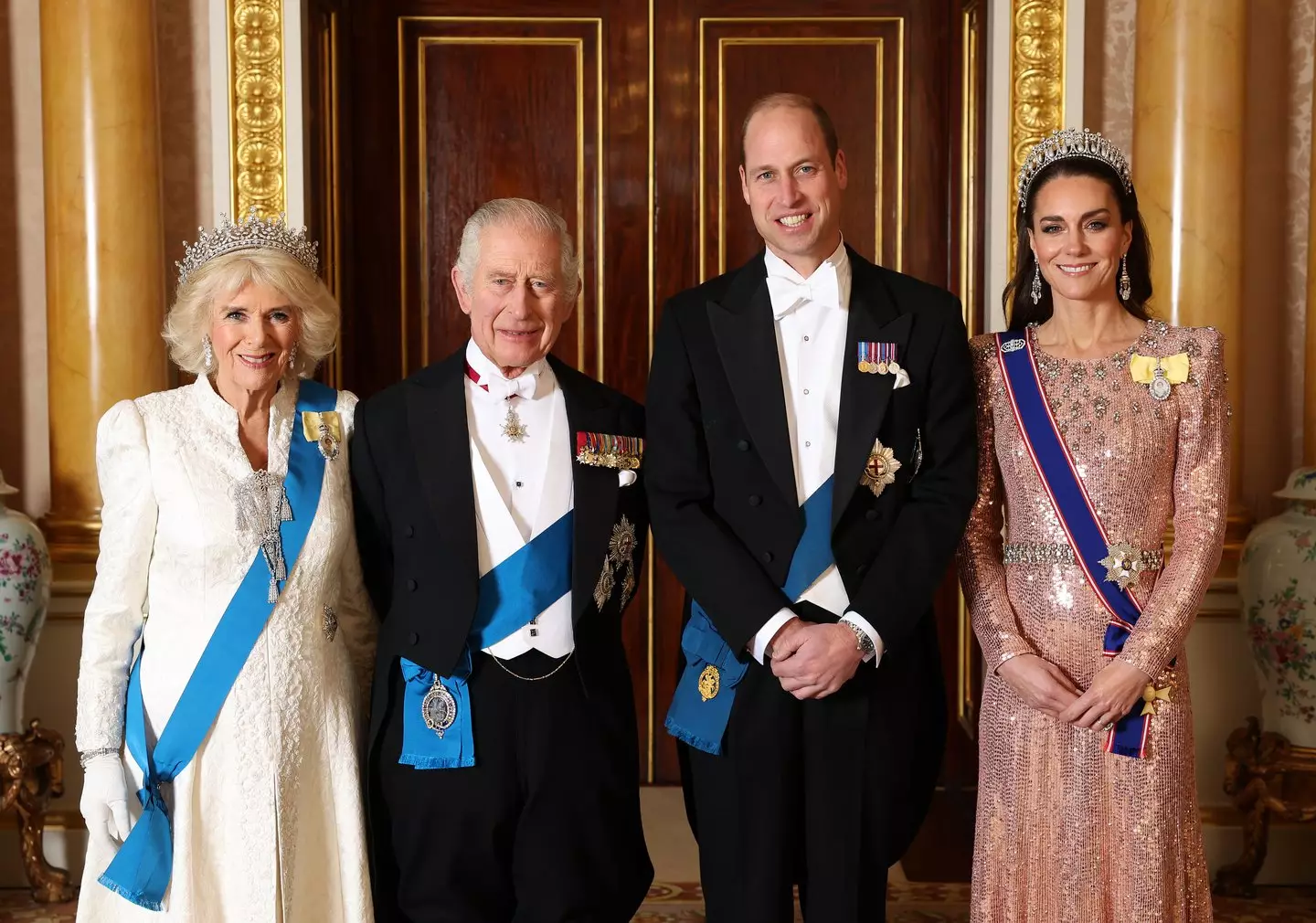
As we say, however, in a major stray from a long-standing royal tradition, Charles has also made the decision to bestow further powers onto the future Queen consort.
As of the spring of this year, Kate will have been granted permission to issue a royal warrant of approval to both favoured individuals and brands she likes.
In order to do this, both she and William will have to be formalised as Grantors of Royal Warrants in the weeks beforehand.
This special honour is usually only reserved for the actual Head of State (in this case, Charles) and their other half (Queen Camilla).
In some prior cases, the King or Queen has passed this permission onto their specifically singled-out kin, though this doesn’t apply to Charles.
By handing a royal warrant approval to Kate, however, the monarch has made her the first Princess of Wales to be able to do so in 116 years.
According to royal experts, the move indicates how highly the father-of-two thinks of her, with the pair both voted relatively popular in recent national polls (per YouGov).
“Royal Highnesses are delighted to be able to recognise and celebrate British industry, creativity, and skills through the granting of warrants,” the Princess’s private secretary, Ian Wright, previously said in a statement.
The new privilege will see Kate granted the power to award specific brands she believes to be of high quality her personal approval, which, by extension, will give it royal approval.
The British brands that have already been added to this list include Heinz (yes, the baked bean brand) and the luxury fashion house Burberry.
The business in question must have supplied the monarchy with ‘goods or services for at least five years out of the past seven years, and have an ongoing trading relationship’ to be up for consideration, the Royal Warrants Holder Association says.
Only after receiving the warrant will brands be able to display the royal warrant crest on their products and websites.
However, warrants may not be renewed if the brand’s quality or service is insufficient, and they may be cancelled at any time.