Public attention surrounding Prince Andrew has continued in recent years due to his past association with convicted financier Jeffrey Epstein and subsequent legal developments. As a result, questions have periodically arisen about how this scrutiny affects other members of his immediate family, including his daughters, Princess Beatrice and Princess Eugenie.
However, it is important to distinguish between confirmed information and unverified online claims. There is no official confirmation from Buckingham Palace or UK law enforcement authorities indicating that Prince Andrew has been recently arrested. Likewise, there has been no formal announcement stating that Princess Beatrice or Princess Eugenie have been banned from royal events.
Prince Andrew’s Documented Status
Prince Andrew stepped back from public royal duties in November 2019 following public criticism over his association with Epstein. In January 2022, Buckingham Palace confirmed that his military affiliations and royal patronages were returned to the late Queen Elizabeth II. He no longer uses the style “His Royal Highness” in an official capacity.
In February 2022, Prince Andrew reached an out-of-court settlement in a civil case filed in the United States by Virginia Giuffre. The settlement included a statement expressing regret for his association with Epstein, though it did not contain an admission of liability. These developments were formally acknowledged by Buckingham Palace and widely reported by major news organizations.
No official updates from UK authorities have indicated new criminal proceedings or an arrest related to these matters.

The Roles of Princess Beatrice and Princess Eugenie
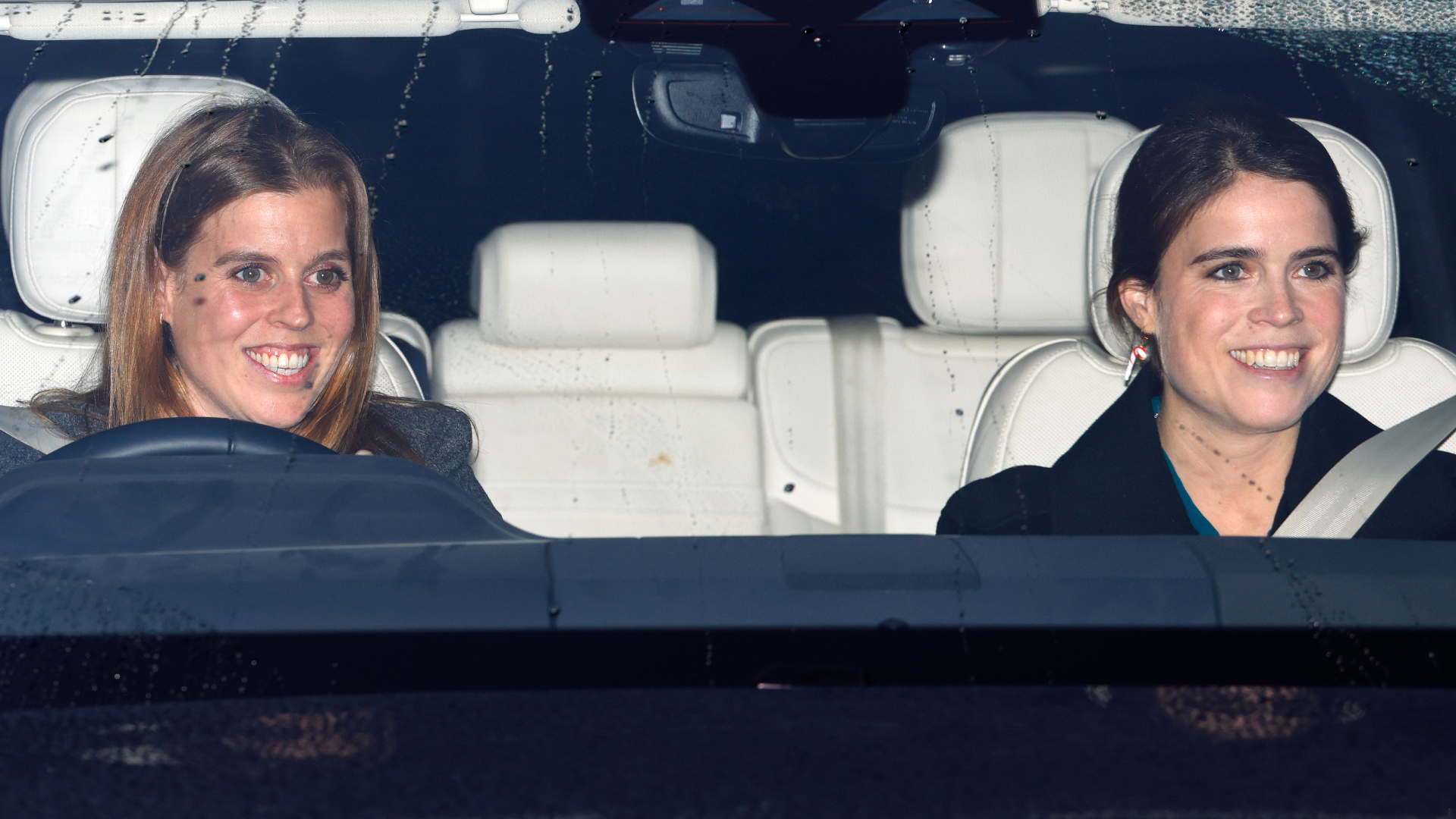
Princess Beatrice and Princess Eugenie are not working members of the Royal Family. Unlike senior royals such as King Charles III or the Prince and Princess of Wales, they do not receive public funding for royal duties. Instead, both maintain private careers while occasionally attending family or ceremonial events.
Princess Beatrice works in the business and technology sector and has supported various charitable initiatives, including those related to education and dyslexia awareness. Princess Eugenie has worked in the art world and is involved with organizations focused on anti-modern slavery advocacy.
Their attendance at royal events is typically determined by invitation and family considerations rather than formal working roles. Over the past several years, they have appeared at major occasions such as Trooping the Colour, royal weddings, and memorial services. Their participation has varied depending on the nature of the event and broader royal scheduling decisions.
Royal Ascot and Public Appearances
One recurring subject of speculation has been attendance at Royal Ascot, the annual horse racing meeting traditionally attended by members of the Royal Family. Royal Ascot features a royal procession and typically includes senior working royals in the Royal Box.
Attendance lists for Royal Ascot are not always publicly confirmed in advance, and invitations can vary year to year. There has been no official announcement stating that Princess Beatrice or Princess Eugenie have been formally excluded from the event. In recent years, attendance by non-working royals has fluctuated, reflecting broader changes within the monarchy following Queen Elizabeth II’s passing and King Charles III’s streamlined approach to royal duties.
King Charles III’s Approach to a Slimmed-Down Monarchy
Since ascending the throne in 2022, King Charles III has indicated support for a streamlined monarchy focused primarily on senior working members. This approach aligns with discussions that predated his reign and reflects a desire to maintain efficiency and clarity in public-facing royal responsibilities.
As a result, high-profile state occasions and official engagements are typically led by a smaller group of senior royals. This structural change has influenced how often extended family members appear in official capacities.
Importantly, there has been no public declaration that Princess Beatrice or Princess Eugenie are prohibited from attending royal gatherings. Any absence from particular events should not automatically be interpreted as a formal ban without official confirmation.
Media Reporting and Responsible Context
In today’s digital environment, headlines can sometimes amplify unverified claims. Media ethics guidelines encourage reliance on confirmed statements from primary sources, such as Buckingham Palace or official legal authorities, when reporting on matters involving public figures.
Speculation about internal family dynamics or alleged disagreements is rarely substantiated by official documentation. Neither Princess Beatrice nor Princess Eugenie has publicly commented on reports suggesting family estrangement or disciplinary action. Similarly, Buckingham Palace has not issued statements confirming claims of bans or exclusions.
Responsible reporting requires distinguishing between confirmed developments—such as Prince Andrew’s withdrawal from public duties—and commentary derived from unnamed sources or tabloid speculation.
The Broader Impact on the Royal Family
The Epstein controversy has had documented consequences for Prince Andrew’s public role. However, the broader Royal Family continues to carry out official engagements and state responsibilities. King Charles III, along with senior members including the Prince and Princess of Wales, maintains a full calendar of public duties.
Institutional adjustments within the monarchy have focused primarily on clarifying roles and reinforcing accountability. Analysts often note that modern constitutional monarchies adapt to changing public expectations, particularly regarding transparency and public service.
No Official Evidence of Arrest or Ban
To reiterate:
-
There is no official confirmation that Prince Andrew has been recently arrested.
-
There is no verified statement from Buckingham Palace banning Princess Beatrice or Princess Eugenie from royal events.
-
Event attendance decisions often vary based on role, scheduling, and the evolving structure of the monarchy.
Readers are encouraged to consult reputable news organizations and official palace communications for updates rather than relying on unverified online reports.

Conclusion
Princess Beatrice and Princess Eugenie remain members of the Royal Family, though they do not serve as working royals. While their father, Prince Andrew, stepped back from public duties following documented controversies related to his association with Jeffrey Epstein, there has been no official confirmation of new legal action or a formal exclusion of his daughters from royal events.
As discussions about the monarchy continue, verified information remains essential. Clear distinctions between confirmed developments and speculation help ensure balanced public understanding of royal affairs.