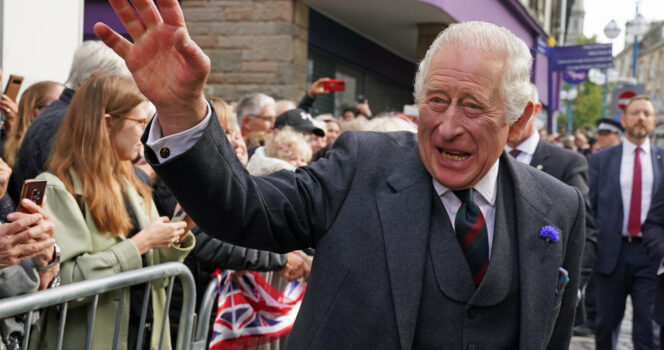
For centuries, royals and nobles have been seen as “fancier” than the rest of us, but the truth is, they’re just ordinary people too.
In fact, research shows that with the right family names, you could be distantly related to royalty, whether you know it or not.
We’ve all probably wondered at some point if we have royal blood somewhere in our family tree. Looking specifically at the British royal family, MyHeritage has identified 35 surnames that could suggest a connection to nobility.
But it doesn’t stop there. Family History Daily has rounded up 100 more surnames that could point to royal blood in your veins… or at least a touch of aristocracy.
Their list leans on Charles H. Browning’s 1891 classic, Americans of Royal Descent, which digs through hundreds of historical documents tied to the Royal Family’s lineage.
First, it helps to know the current royal surname, which often flies under the radar: Mountbatten-Windsor. The Windsors have been the family’s house name for centuries, but the “Mountbatten” portion comes from the late Queen Elizabeth’s husband, Prince Philip.
Philip, originally a Prince of Greece and Denmark, gave up those titles when he became a British citizen in 1947 and adopted his mother’s surname, Mountbatten. After Elizabeth ascended the throne in 1952, she decided to double-barrel the royal surname to honor her husband.

British Royal Surnames
The official surname of the modern British royal family is Mountbatten-Windsor. This name was formally adopted in 1960 for descendants of Queen Elizabeth II and Prince Philip who do not carry royal titles.
-
Windsor became the royal house name in 1917, replacing the German name Saxe-Coburg and Gotha
-
Mountbatten derives from Prince Philip’s maternal family, originally Battenberg
Prior to standardized surnames, British monarchs were often identified by dynastic house names rather than family names in the modern sense.
Could your surname indicate a royal connection?
Here’s a full list of potentially royal surnames:
- Abel
- Alden
- Appleton
- Ayer
- Barber
- Barclay
- Beverly
- Binney
- Brooke
- Brown
- Campbell
- Carroll
- Chauncey
- Coleman
- Cooper
- Davis
- Dickinson
- Darling
- Douglas
- Dunbar
- Edwards
- Ellery
- Ellis
- Emmett
- Evans
- Farley
- Fleming
- Forest
- French
- Gardiner
- George
- Gerard
- Gerry
- Gibson
- Graham
- Hamilton
- Haynes
- Herbert
- Hill
- Howard
- Hume
- Irving
- Jackson
- James
- Jenkins
- Johnson
- Kane
- Kennedy
- Ker
- Key
- King
- Langdon
- Lawrence
- Lee
- Leonard
- Livingston
- Lloyd
- McCall
- McDonald
- Malcalester
- Montgomery
- Morris
- Morton
- Nelson
- Nicholson
- Nixon
- Norris
- O’Carroll
- Ogle
- Opie
- Parsons
- Patterson
- Peabody
- Pomeroy
- Porter
- Pratt
- Preston
- Quay
- Randolph
- Read
- Reeve
- Robinson
- Rogers
- Sanford
- Shaw
- Smith
- Sowden
- Stanley
- Taylor
- Townsend
- Turner
- Tyler
- Valentine
- Varson
- Walker
- Watts
- White
- Whiting
- Williams
- Young
But there’s more. Here’s another list of names might indicate aristocratic or noble connections:
- Windsor
- Tudor
- Stuart
- Plantagenet
- Capet
- Bourbon
- Habsburg
- Hanover
- Valois
- Lancaster
- York
- Bruce
- de Valois
- de Medici
- Savoy
- Orange-Nassau
- Oldenburg
- Glucksburg
- Romanov
- Baskerville
- Darcy
- Neville
- Percy
- Astley
- Capell
- Howard
- Seymour
- Grey
- FitzAlan
- Courtenay
- Manners
- Russell
- Cavendish
- Talbot
- Spencer
Of course, having one of these names doesn’t automatically make you royalty, but it’s a fascinating starting point if you’re curious about your ancestry.
Remarkably, Queen Elizabeth’s family tree can be traced 1,209 years and 37 generations back with astonishing precision. Æthelstan, born around AD 895, is considered by some historians as the first true king of England.

How Likely Is Royal Ancestry?
Historians note that European royal families frequently intermarried with the nobility, and over centuries, their descendants spread widely. As a result, a large percentage of people with European ancestry may share very distant connections to medieval nobles.
For example:
-
Many genealogists estimate that most people of British descent with deep roots in the UK could trace at least one line to medieval gentry
-
Such connections are often 20–30 generations removed
-
These links have no legal, social, or financial significance today
The Long View of Royal Lineage
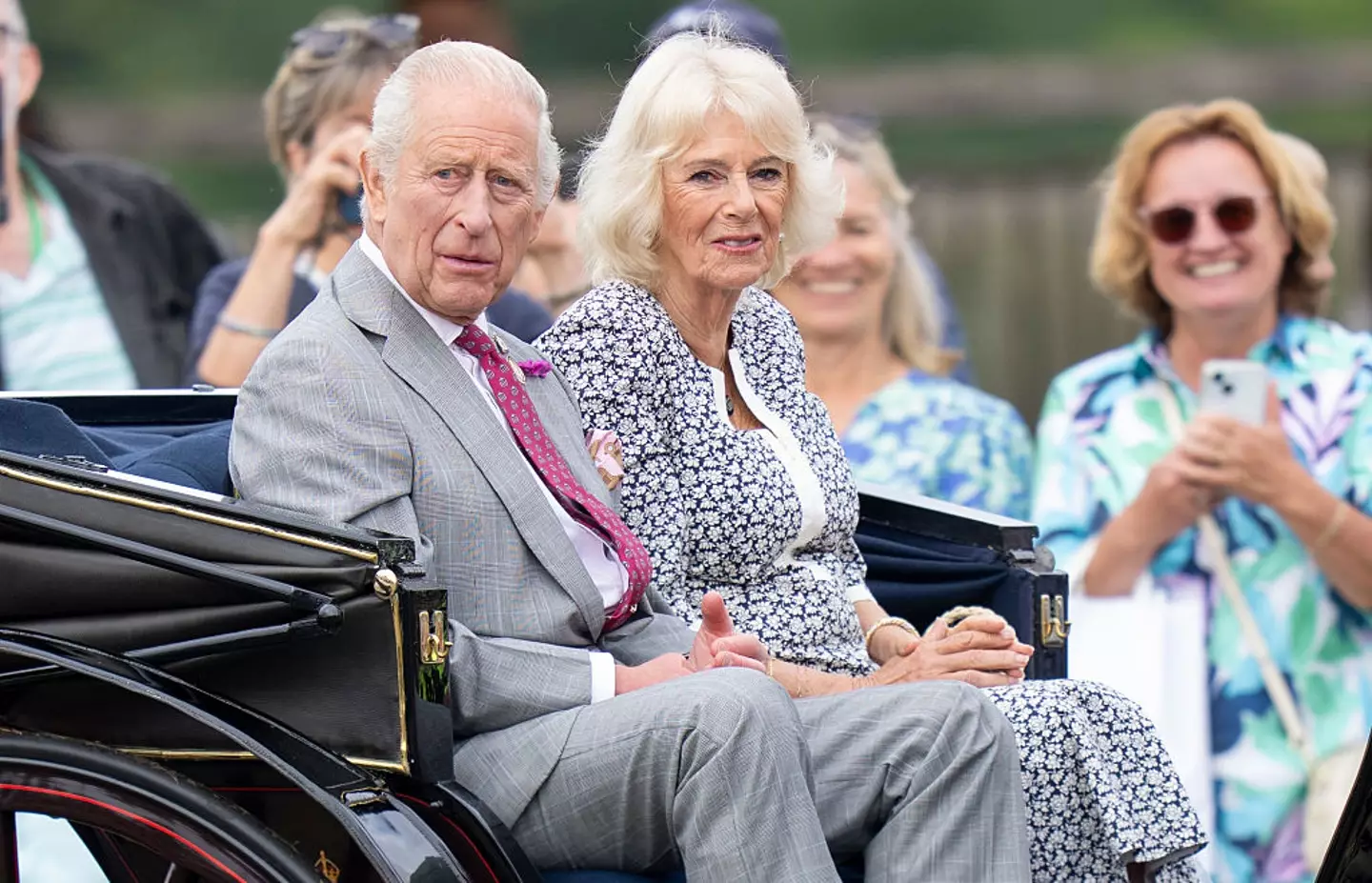
The British monarchy maintains one of the most extensively documented family trees in the world. Some historians trace the royal line back over a thousand years, with early kings such as Æthelstan in the 10th century often cited as foundational figures in English monarchy.
These records demonstrate how lineage, politics, and inheritance shaped European history—but they also show how intertwined royal families are with the wider population over time.
Final Thoughts
Having a surname that appears in royal or noble records does not make someone royalty. However, it can spark curiosity and encourage meaningful exploration of family history. Genealogy is less about titles and more about understanding the lives, migrations, and stories of those who came before us.
If you are curious about your ancestry, a surname can be a useful starting point—but the real discoveries come from documented research, patience, and historical context.