Amid growing concerns over dangerous viruses originating from bats, the World Health Organization (WHO) and several international health agencies have issued important food safety warnings, particularly regarding the consumption of fresh fruit in areas where bats are present.
Some viruses, such as Nipah, are believed to have modes of transmission similar to COVID-19 and can pose serious risks to human health if not properly controlled.
Bat-Borne Viruses and the Public Health Threat
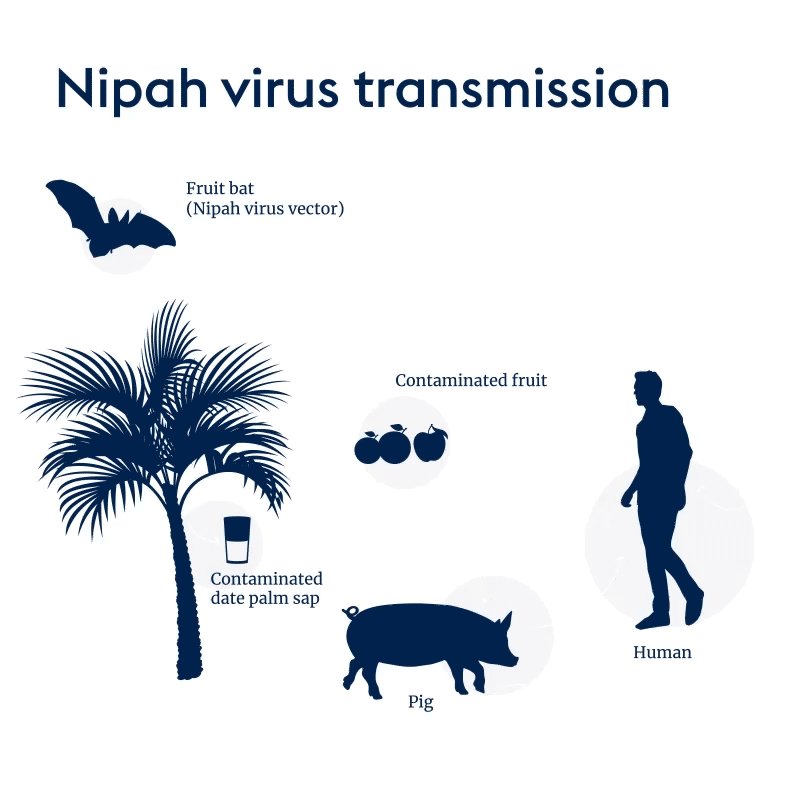
According to the WHO, bats are natural hosts to many dangerous viruses, including those capable of spreading from animals to humans (zoonotic diseases). These viruses can enter the human body through:
-
Direct contact with infected animals
-
Contaminated food or drinking water
-
Fruit contaminated with bat saliva, urine, or feces
Among these, the Nipah virus is currently under close monitoring by international health authorities due to:
-
A high fatality rate ranging from 40 to 75 percent
-
The absence of an approved vaccine or specific treatment
-
Documented outbreaks in India and several Asian countries
Sources:
World Health Organization – Nipah Virus Fact Sheet
Reuters, January 2026
Why Fruit Can Become a Source of Infection
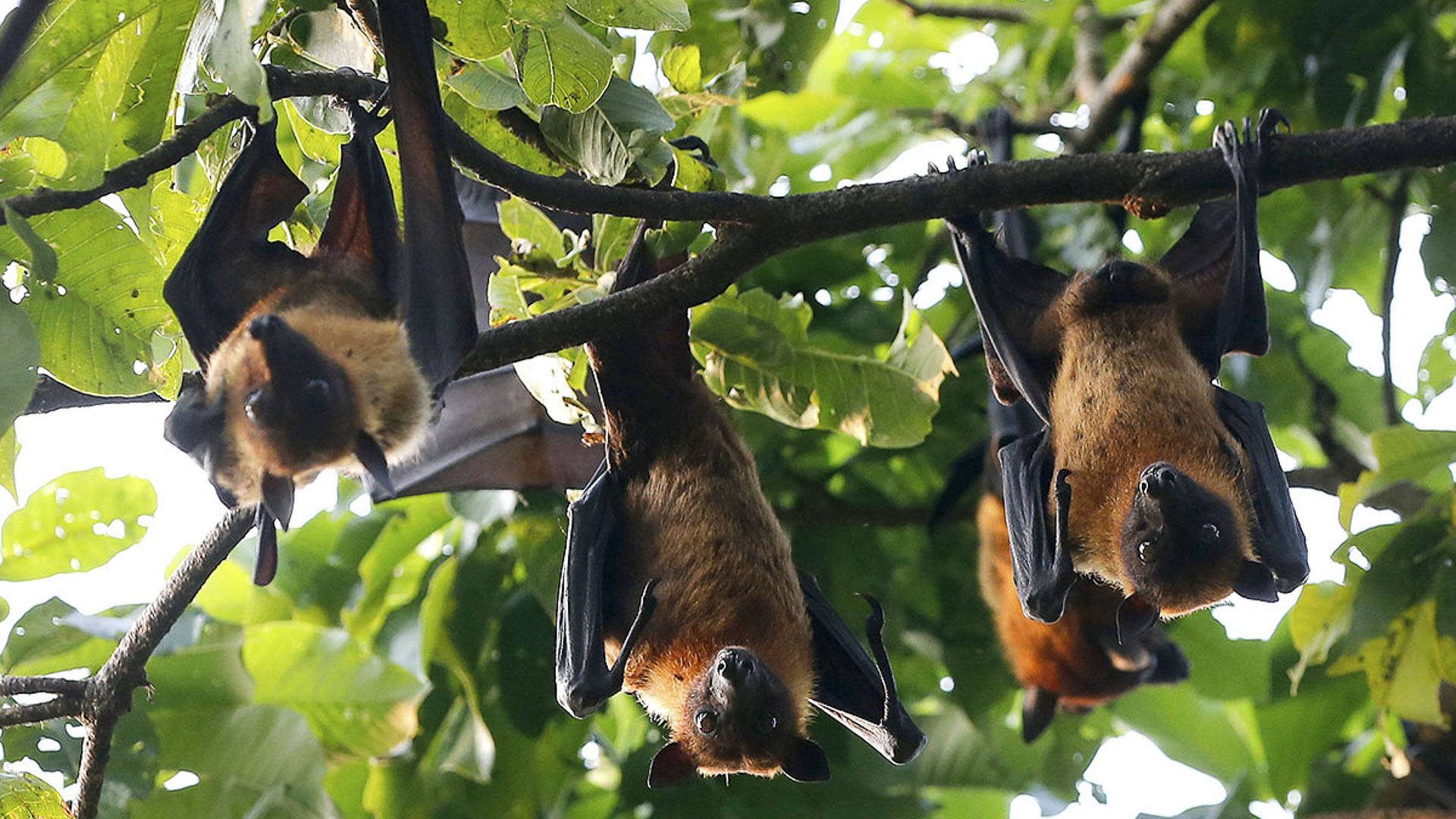
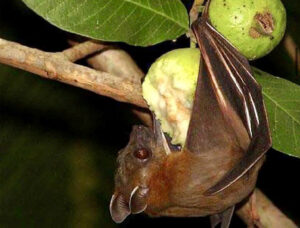
Studies show that fruit bats are primarily active at night and may:
-
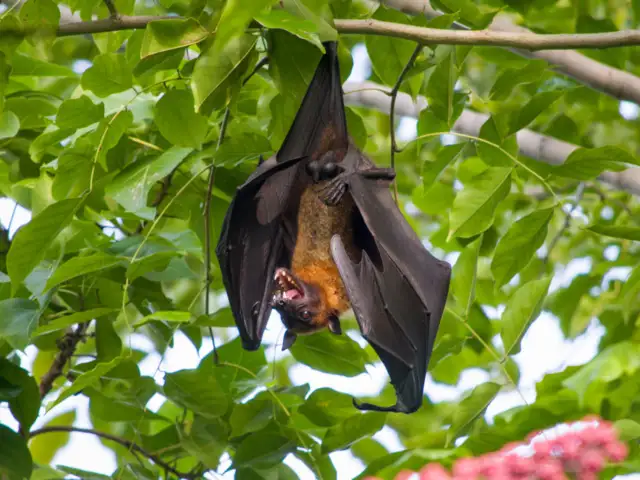
Partially bite fruit while feeding
-
Drop fruit that has already been exposed to viral contaminants
-
Leave pathogens on fruit surfaces that are not visible to the naked eye
According to Reuters, the WHO has confirmed that Nipah virus can be transmitted to humans through the consumption of fruit or fruit juice contaminated with bat waste if proper food safety measures are not followed.
Sources:
Reuters – WHO sees low risk of Nipah virus spreading beyond India
AP News – India says it has contained Nipah virus outbreak
Fruits and Foods Health Experts Advise Avoiding
Health experts recommend that people avoid or exercise extreme caution when consuming the following:
Fruit partially eaten by bats or birds
-
Visible bite marks or punctures
-
Unusual odors or damp surfaces
Fruit found on the ground
-
Especially in areas with a high bat population
-
Higher likelihood of contamination
Raw fruit that is not thoroughly washed
-
Thin-skinned fruits such as mangoes, guavas, apples, pears, and grapes
-
Street-sold fruit with unclear origins
Fresh fruit juices and beverages
-
Juice that has not been boiled or pasteurized
-
Homemade fermented fruit drinks
The WHO emphasizes that viruses may survive on food surfaces for a period of time, increasing the risk of infection if consumed raw.
Who Is Most at Risk?
-
Children
-
Older adults
-
Individuals with underlying health conditions or weakened immune systems
These groups face a higher risk of severe illness and complications if infected with bat-borne viruses.
Preventive Recommendations from WHO and Health Experts
To reduce the risk of infection, the WHO and health authorities recommend:
-
Thoroughly washing fruit under clean running water
-
Peeling fruit before consumption, especially imported fruit
-
Cooking or applying heat treatment whenever possible
-
Avoiding bruised, damaged, or spoiled fruit
-
Washing hands before eating and food preparation
Sources:
World Health Organization – Food Safety & Zoonotic Diseases
Centers for Disease Control and Prevention (CDC)
Conclusion
As concerns continue to grow over bat-borne viruses with transmission mechanisms similar to COVID-19, practicing safe food handling and careful food selection remains a critical line of defense. Following guidance from the WHO and public health experts can significantly reduce infection risks and help protect both individuals and communities.