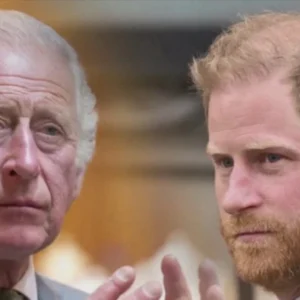
In a matter of hours, a startling claim swept across social media: Prince Archie, the eldest son of Prince Harry and Meghan Markle, was allegedly suffering from a rare autoimmune disease.
Headlines packed with emotional weight began circulating rapidly:
“Meghan Markle Breaks Down Revealing Her Son’s Illness,”
“The Hidden Tragedy Behind the Sussex Family’s Perfect Smile,”
“The Painful Truth Behind Their Heartwarming Christmas Card.”
Many readers were genuinely alarmed, moved to sympathy, and even shared messages of prayer for the six-year-old child. Yet what few stopped to ask was a crucial question: Was any of this actually true?
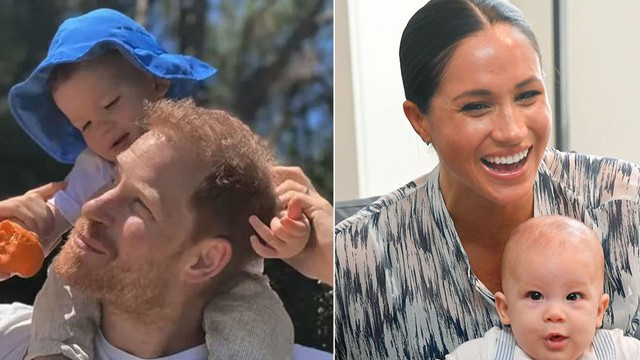
A Story Told Too Convincingly
The viral articles painted a vivid and emotionally charged picture:
-
Meghan Markle was said to have revealed the diagnosis on a newly relaunched podcast
-
Prince Archie was described as battling a rare autoimmune condition affecting muscles and skin
-
The Sussex family was portrayed as quietly enduring months of medical turmoil
-
Public images of happiness were framed as a deliberate attempt to conceal a devastating reality
The storytelling had everything needed to feel authentic: detailed medical language, emotional quotes, royal context, and references to Meghan and Harry’s real-life advocacy work.
And that was precisely the problem — the story felt almost too complete.
Fact Check: No Confirmation From Any Credible Source
Once the claims were examined against verified sources, the narrative quickly unraveled.
As of now:
-
No official statement has been released by Prince Harry, Meghan Markle, or the Archewell Foundation
-
No reputable news organization — including BBC, Reuters, AP, People, The Guardian, or Vanity Fair — has confirmed such claims
-
No public podcast episode exists in which Meghan discusses a serious illness affecting Prince Archie
In short, the story remains unverified and unsupported by any reliable evidence.

Why Did So Many People Believe It?
Media analysts suggest several reasons why the rumor spread so rapidly:
First, stories involving children and serious illness naturally provoke strong emotional reactions.
Second, the Sussex family has been under intense public scrutiny for years, making any dramatic claim instantly clickable.
Third, Harry and Meghan’s commitment to protecting their children’s privacy creates an information vacuum — one in which speculation can easily thrive.
Most notably, the rumor cleverly blended real facts with fabricated details. Meghan does host podcasts. She has spoken openly about personal struggles. The Sussexes are involved in humanitarian work. All of that is true. But Archie’s alleged illness is not supported by facts.
The Sussexes’ Consistent Stance on Privacy
Prince Harry and Meghan Markle have long maintained a firm position:
-
They do not publicly discuss their children’s private lives
-
They do not disclose medical information about their children
-
They rarely respond to unsubstantiated rumors
Historically, they have only spoken out when misinformation caused significant harm. Their silence in this case cannot and should not be interpreted as confirmation.

When Drama Outpaces Reality
What makes this situation troubling is how easily an unverified story transformed into “truth” through repetition.
Concern for a child quickly turned into:
-
Clickbait content
-
Online conspiracy theories
-
Fuel for polarized debates surrounding Harry and Meghan
Meanwhile, the child at the center of the story has no voice in the narrative at all.
Conclusion: Where the Facts Stand
At this time, the facts are clear:
-
There is no verified evidence that Prince Archie has been diagnosed with a rare autoimmune disease
-
The circulating stories rely on speculation and emotional storytelling
-
Any definitive claims are premature and misleading
This episode serves as a powerful reminder:
Not every dramatic headline reflects reality — especially when it involves children and private family matters.
In an age where stories travel faster than verification, the most responsible response is often the simplest one:
Pause, and ask — “Where is the source?”