King Charles III has delivered one of his most personal public messages since Buckingham Palace confirmed in February 2024 that he is being treated for cancer, revealing that doctors plan to reduce his treatment schedule in the New Year after what the Palace described as an “exceptionally good” response.
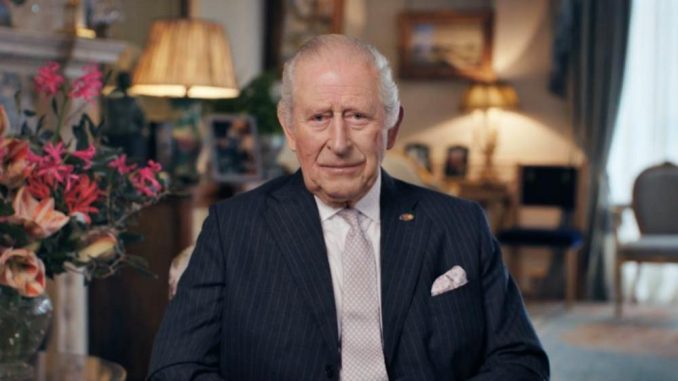
In a recorded video message broadcast during Channel 4’s Stand Up To Cancer programming, the 77-year-old monarch said his progress has been driven by “early diagnosis,” “effective intervention,” and following “doctors’ orders.” He described the development as a “milestone” and a “personal blessing,” expressing hope that the update could offer encouragement to other patients.
A Buckingham Palace spokesman said the King’s ongoing care will now enter “a precautionary phase,” with his medical team continuing to monitor and review the situation in order to protect and prioritise his recovery. No timeframe was provided for how long the reduced treatment schedule will continue.
Diagnosis Announced in 2024, Details Remain Private

Buckingham Palace announced in February 2024 that King Charles had been diagnosed with an unspecified form of cancer following a procedure for an enlarged prostate. The Palace has not disclosed the type of cancer or specific form of treatment, and has maintained that updates will be shared only when considered helpful for public understanding.
The King returned to frontline duties after a period of recovery, though he has had to adjust engagements at times due to treatment side effects, underscoring the step-by-step nature of cancer care.
Palace sources have also indicated that, while treatment intensity is being reduced, the King’s cancer is not considered in remission, and his care plan will continue to be determined by medical advice.
Routine Royal Planning Draws Attention
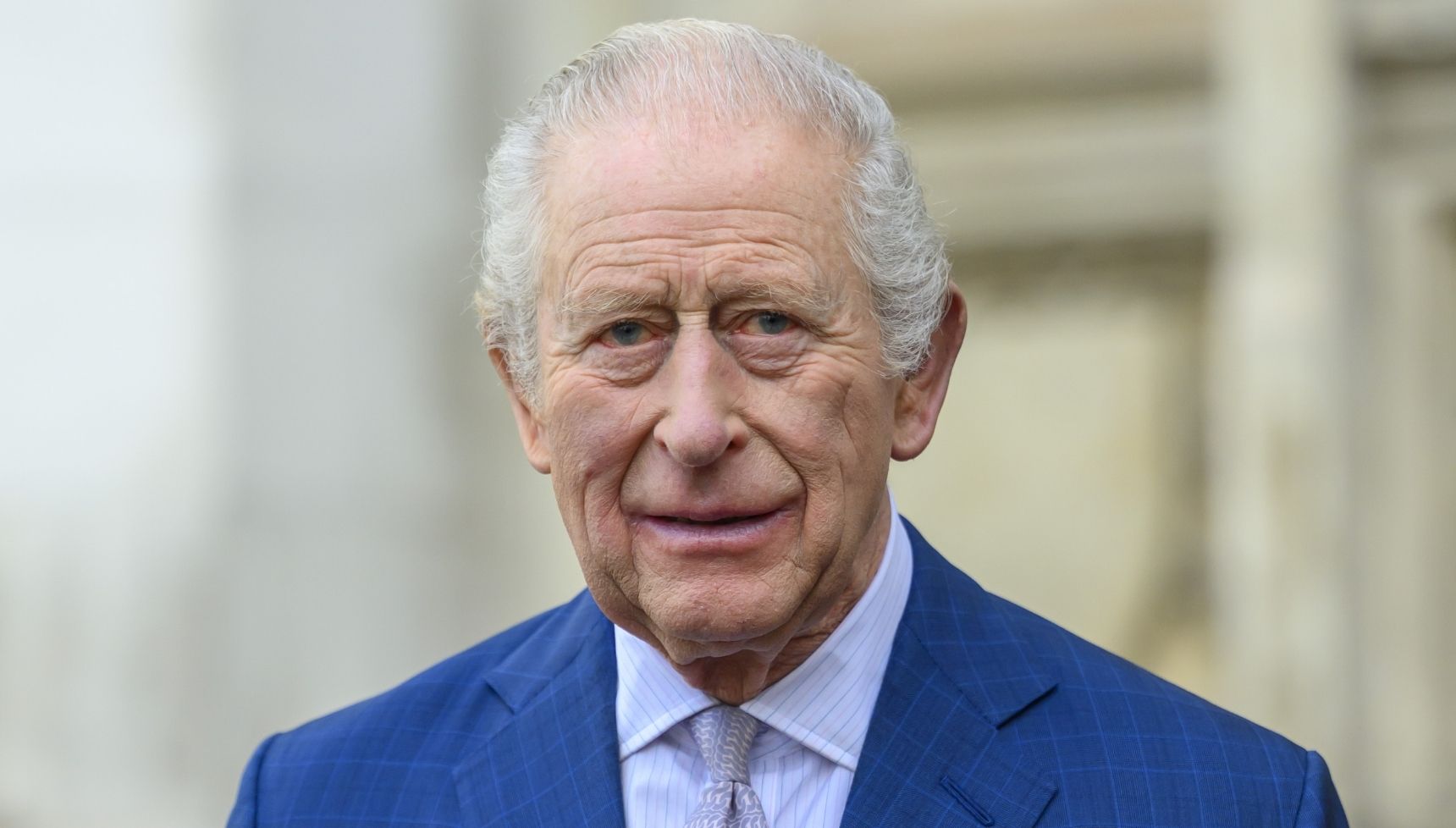
In recent months, some media reports have speculated about updates to Operation Menai Bridge, the codename for the King’s funeral arrangements. Royal sources and former security officials have stressed that such planning is standard protocol, regularly reviewed for all monarchs.
The practice mirrors Operation London Bridge, the long-standing plan that guided arrangements following the death of Queen Elizabeth II. Experts have emphasized that these updates should not be interpreted as a signal of immediate concern, but rather as part of long-established constitutional and logistical preparedness.
A Focus on Early Detection and Public Health
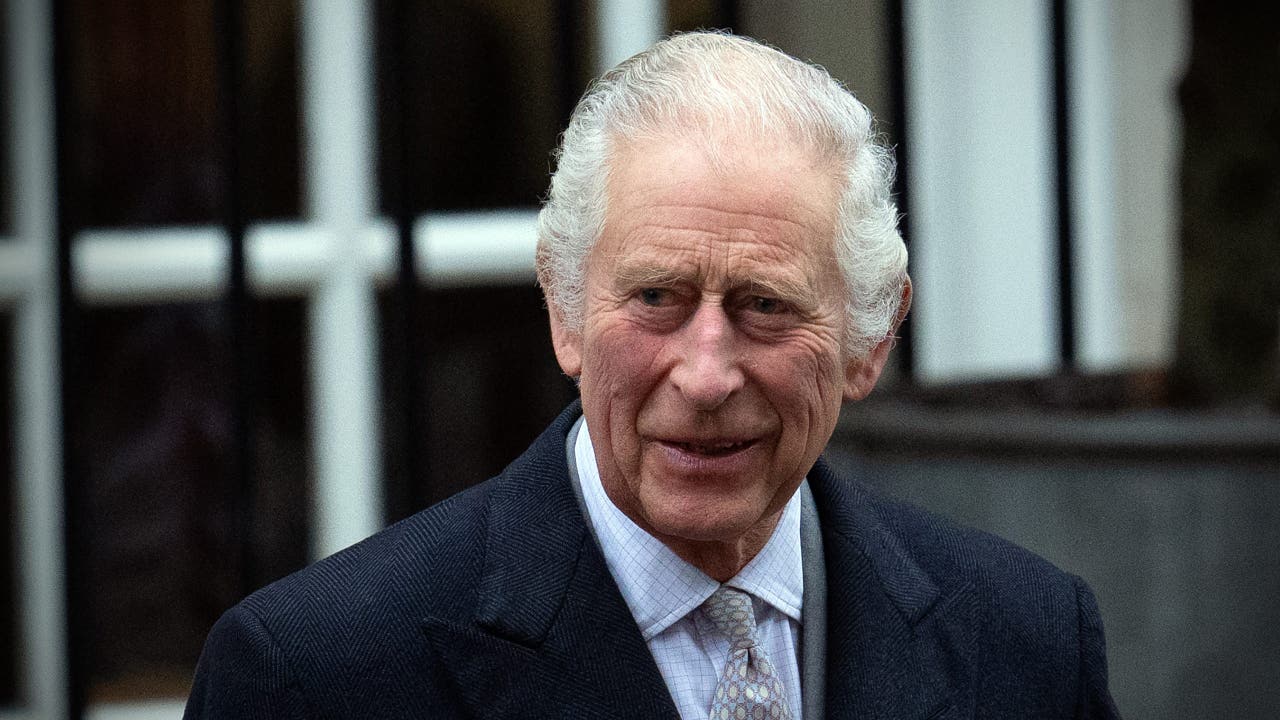
Rather than providing detailed medical information, the King used the address to urge people across the United Kingdom to take advantage of a new national online Screening Checker, designed to help individuals determine whether they are eligible for breast, bowel, or cervical cancer screening through the NHS or the Public Health Agency Northern Ireland.
“Early diagnosis quite simply saves lives,” he told viewers.
The King, a patron of Cancer Research UK, also acknowledged the doctors, nurses, researchers, and volunteers supporting patients nationwide, describing what he called a “community of care” surrounding those affected by cancer. He said a diagnosis can feel overwhelming, but emphasised that early detection can transform treatment journeys by giving medical teams valuable time and patients “the precious gift of hope.”
A Rare, Personal Moment in His Reign
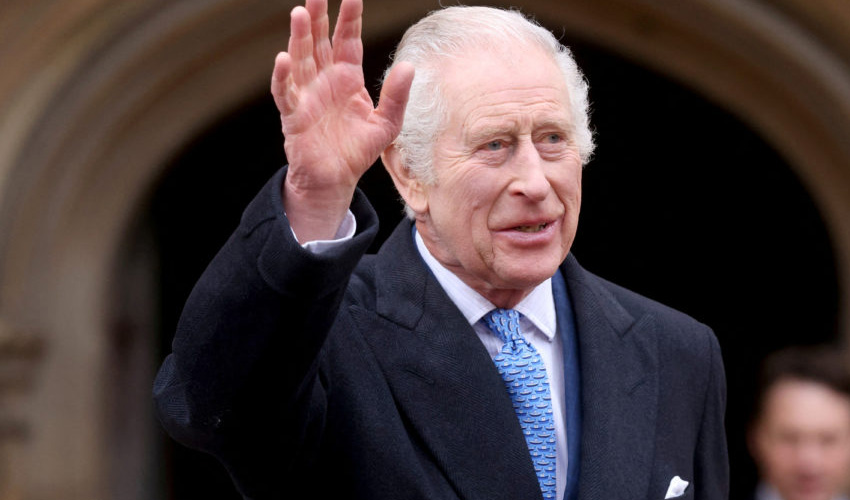
Constitutional commentators note that King Charles’ message struck a careful balance between transparency and discretion: acknowledging the reality of his illness while keeping focus on broader public health and cancer awareness.
The broadcast was part of Stand Up To Cancer, a joint initiative launched by Cancer Research UK and Channel 4 that funds clinical trials and research while encouraging public engagement with cancer prevention, screening, and treatment.
As the King continues his recovery, Buckingham Palace has reiterated that he remains committed to his duties where medically advised and has been deeply moved by messages of support from the public.
Conclusion
The latest message from King Charles III offers a positive signal: his cancer treatment schedule is set to be reduced from 2026 and will move into a “precautionary” phase, reflecting a strong response to treatment. However, the Royal Household has emphasized that medical monitoring will continue and that detailed information about the illness will remain private.
At the same time, reports regarding reviews of Operation Menai Bridge, the codename for the King’s funeral plans, are regarded as routine royal procedure and should not be interpreted as a sign of any immediate concern.
Above all, the message the King has sought to underscore is clear: early screening and early detection can save lives — and everyone can take action starting today.