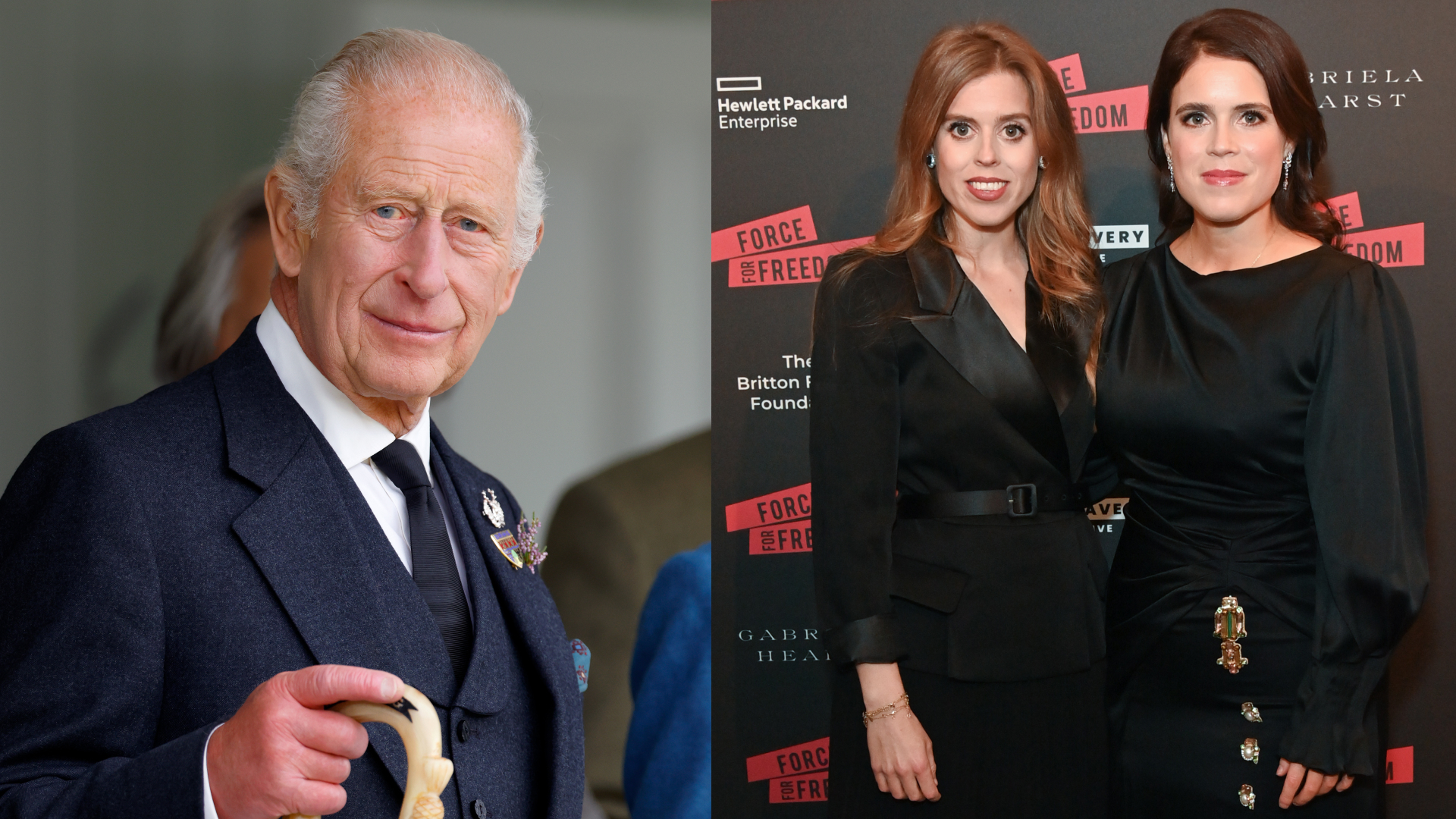
The British royal family’s annual Christmas gatherings are closely observed, not only as festive traditions but also as indicators of internal relationships and priorities. This year’s Christmas lunch drew particular attention for including Princess Beatrice and Princess Eugenie, the daughters of Prince Andrew, Duke of York. While the event itself followed established royal customs, its guest list prompted renewed discussion about how King Charles III balances family support with institutional responsibility.
Rather than signaling any formal shift in royal roles or public standing, the invitation has been widely interpreted by royal commentators as a personal gesture consistent with long-standing family practices.
A Traditional Event With Symbolic Weight
The monarch’s Christmas lunch is typically held in the weeks leading up to December 25 and brings together extended members of the royal family. According to coverage in established publications such as Vanity Fair and Majesty Magazine, invitations for these gatherings are usually issued well in advance and reflect the King’s preference for inclusive family occasions.
Princess Beatrice and Princess Eugenie have attended similar family events in the past, and their presence this year aligns with previous precedents rather than representing a new policy direction.
Context: A Challenging Period for the York Family
Public interest in the York family has remained elevated due to ongoing scrutiny surrounding Prince Andrew. Over recent years, Buckingham Palace has confirmed that the Duke of York no longer undertakes official duties and has relinquished military affiliations and honorary roles. These decisions were formally announced and remain unchanged.
It is important to note that no official action or allegation has been directed at Princess Beatrice or Princess Eugenie. Both have continued to maintain private professional lives while supporting charitable causes independently.
Distinguishing Family Support From Institutional Endorsement
Royal analysts have consistently emphasized the distinction between personal family relationships and official royal representation. The Christmas lunch invitation does not confer working royal status, nor does it signal an expanded public role for Andrew’s daughters.
King Charles III has repeatedly articulated, through official palace messaging, a desire to maintain a streamlined monarchy while preserving family bonds where appropriate. Including close relatives at private or semi-private gatherings is consistent with that approach.
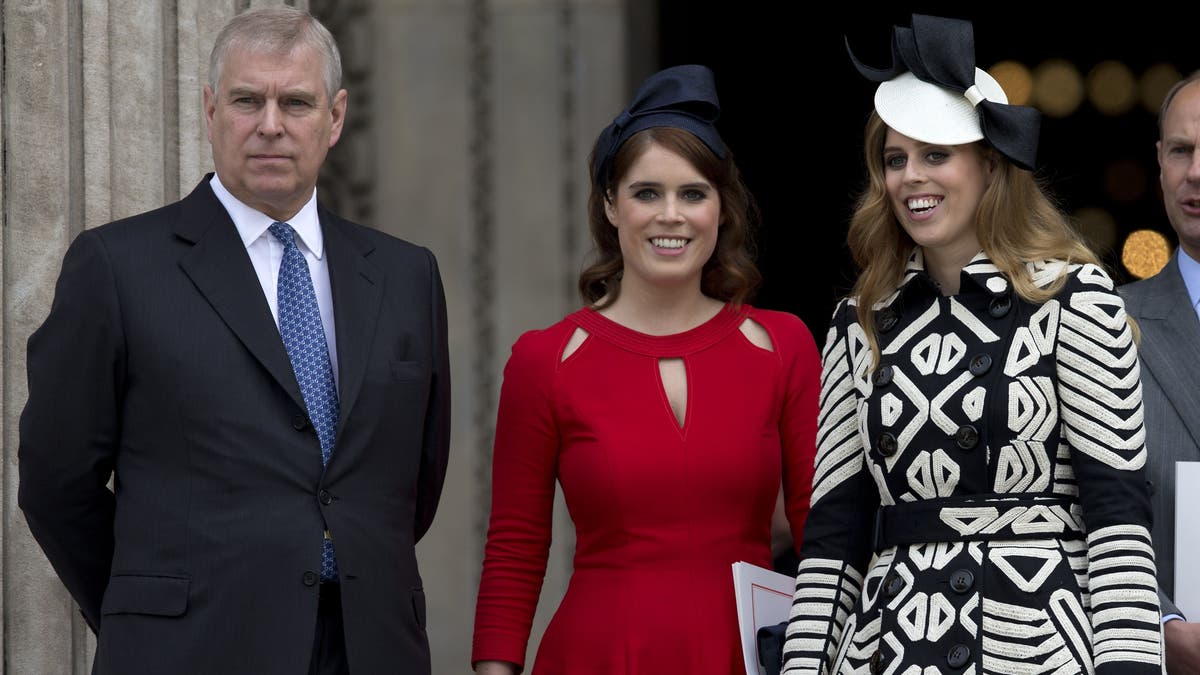
Previous Attendance and Media Attention
In previous years, at least one of the York sisters has attended royal Christmas events before choosing to spend part of the holiday privately with immediate family. Such arrangements have been widely reported by UK media and demonstrate the flexibility often exercised during the festive period.
These choices reflect personal considerations rather than institutional directives and have not altered the sisters’ standing within the royal structure.
Princess Beatrice and Princess Eugenie’s Public Profiles
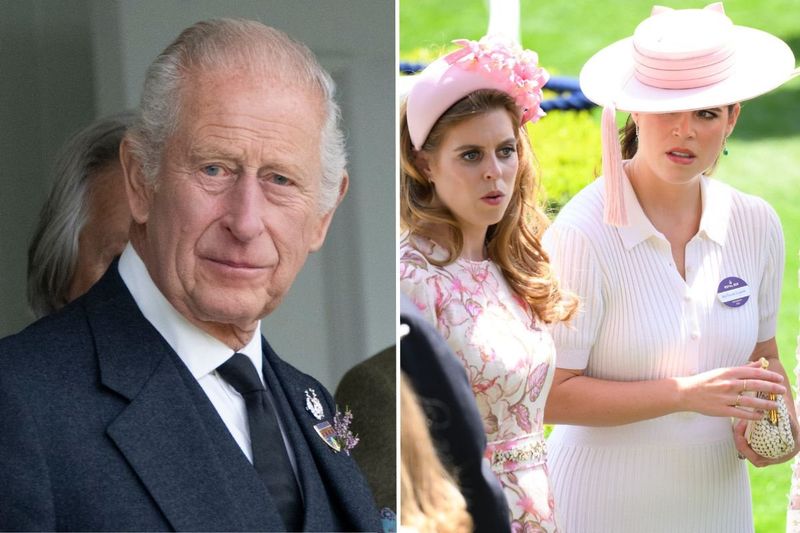
Princess Beatrice and Princess Eugenie are not working royals and do not represent the Crown in an official capacity. Both have pursued careers outside royal duties and are involved in charitable initiatives that align with their personal interests.
Princess Eugenie has been associated with organizations focused on environmental issues and social development, while Princess Beatrice has supported causes related to education and health. Their involvement is typically undertaken in a private or patronage capacity rather than through official royal engagements.
No Confirmed Plans for Expanded Roles
While media speculation occasionally suggests potential future involvement for extended family members, there has been no confirmation from Buckingham Palace regarding any change in the status of the York sisters.
Royal household communications continue to emphasize clarity around who represents the monarchy publicly. Any future adjustments would require formal announcement and alignment with constitutional considerations.
King Charles III’s Approach to Family and Monarchy
Since ascending the throne, King Charles III has sought to balance modernization with continuity. His approach has included reducing the number of working royals while maintaining private family relationships that do not conflict with public accountability.
Observers note that this approach mirrors practices seen during the reign of Queen Elizabeth II, who often distinguished between public duty and private family life.
Public Interpretation and Responsible Reporting
While public curiosity about royal dynamics remains high, reputable coverage has largely framed the Christmas lunch invitation as a personal and symbolic gesture rather than evidence of institutional change.
Responsible reporting avoids conflating family inclusion with rehabilitation of public roles. As of now, the status of Prince Andrew and his daughters within the monarchy remains clearly defined by official statements.
Looking Ahead
The British monarchy continues to evolve in response to public expectations, media scrutiny, and constitutional responsibilities. Events such as the annual Christmas lunch offer insight into personal relationships but should not be interpreted as policy signals without formal confirmation.
Princess Beatrice and Princess Eugenie remain members of the royal family by birth, while leading largely private lives. Their inclusion in family gatherings underscores the distinction between personal support and official endorsement.
Conclusion
The decision to invite Princess Beatrice and Princess Eugenie to this year’s Christmas lunch reflects continuity rather than change within the royal family. Grounded in tradition and family values, the gesture aligns with King Charles III’s consistent approach of separating private relationships from public duty.
There is no verified indication of expanded royal roles or institutional rehabilitation. Instead, the occasion highlights how the monarchy continues to navigate complex family dynamics while maintaining clear boundaries around official representation.
As with many royal traditions, the true significance lies not in speculation, but in understanding the established practices that shape the modern British monarchy.